
Renovation projects often generate more waste than most families anticipate, which can increase stress and create safety challenges. Planning for skip hire is essential for managing debris legally and efficiently while minimising disruption to daily life. Understanding the right approach to safe and responsible skip hire can help you handle renovation clutter and safeguard your home environment.
Planning for home renovations involves more than choosing new fixtures or tiles. It also requires careful consideration of waste management from the outset. Unattended waste can pile up on your property, posing safety hazards, obstructing movement, and making your project more stressful. Using a skip hire provider such as TW Servicesensures an organised process for disposing of assorted debris without compromising your family’s safety or environmental responsibility. Learning about safe and responsible skip hire allows you to tackle every stage of your renovation with greater confidence and awareness.
Understanding when hiring a skip is most effective
Home renovations frequently create unexpected volumes of bulky waste, which can overwhelm standard domestic bins. Whether you’re tackling a kitchen refurbishment, bathroom removal, new flooring installation, or reshaping your garden, large amounts of leftover materials can accumulate quickly. In such scenarios, handling waste responsibly keeps your property tidy and reduces injury risk from tripping over debris. Safe and responsible skip hire offers a structured means to dispose of large quantities of materials, giving you clarity throughout the process. Proactively arranging skip hire can help prevent issues related to excessive rubbish build-up and help keep your renovations running smoothly.
Common home projects that benefit from skip hire include kitchen remodels, where old cabinets, sinks, and packaging materials require secure disposal, as well as large clear-outs during room conversions or post-renovation clean-ups. Garden landscaping jobs, often producing branches, soil, and paving materials, can also generate far more waste than expected. Identifying these situations early allows for safe and responsible skip hire and helps avoid last-minute stress. This ensures you have enough capacity for all waste types and maintain compliance with legal disposal requirements. Including waste management in your renovation plan contributes to a safer, more organised home environment.
Selecting an appropriate skip size for your project
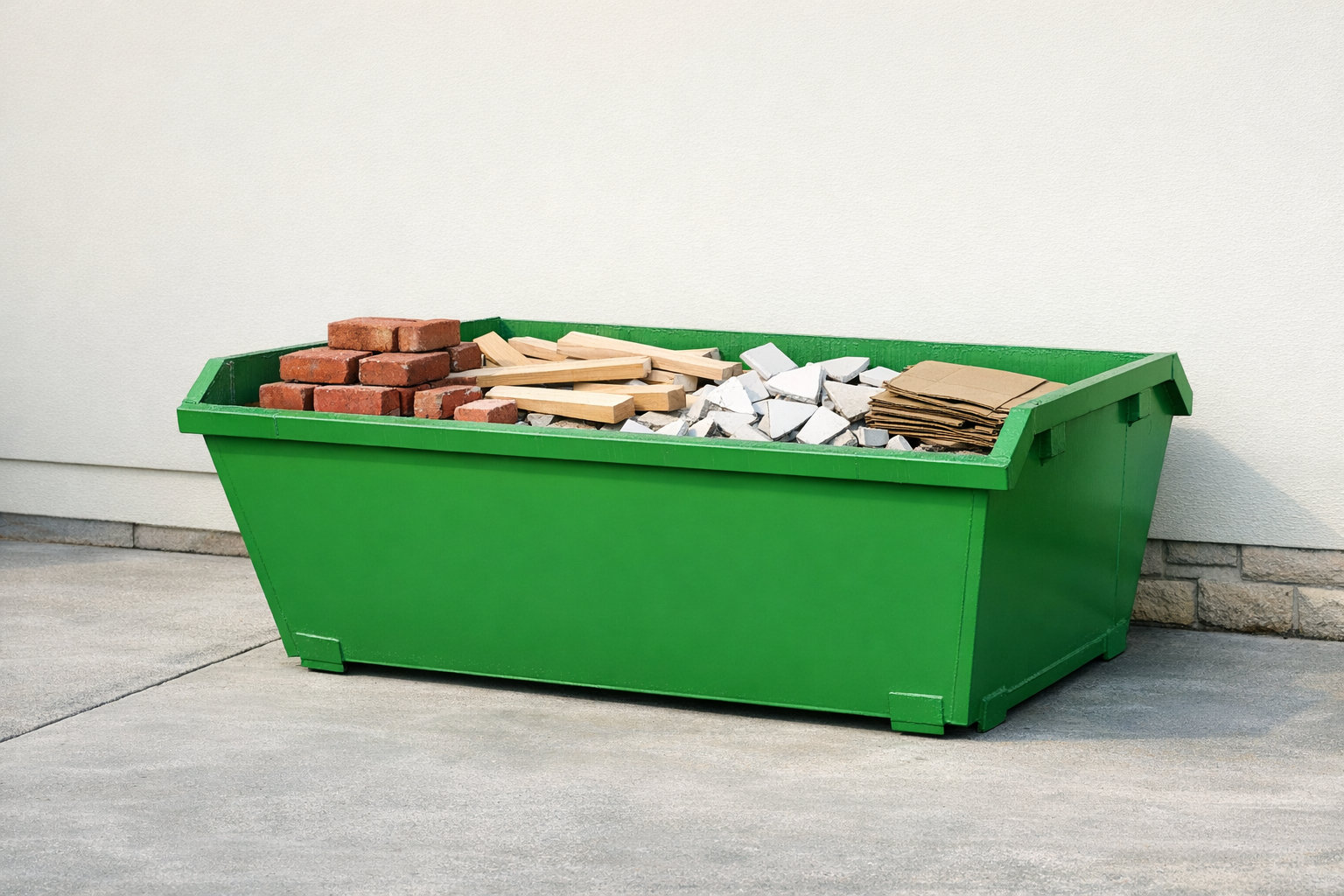
Choosing the right skip size is an essential aspect of safe and responsible skip hire, as both overfilling and underestimating volume can cause complications. For small projects or minor clear-outs, smaller skips may be suitable for old carpets, broken tiles, or unwanted furniture. Mid-size skips often serve kitchen or bathroom refits, holding cabinetry, plasterboard, and dismantled fixtures. Large-scale renovations or whole-house clear-outs may need larger skips, which can contain mixed construction debris. Assess the likely composition and volume of waste based on your plans to match your needs appropriately.
Overfilled skips may trigger additional fees and present safety concerns, especially if debris extends beyond the rim or prevents secure transport of the container. Avoid loading large items without breaking them down; evenly distributed waste is less likely to cause damage or injury. Many providers recommend leaving space at the top of your skip to ensure materials can be taken away safely and in line with transport requirements. Considering your waste stream in advance streamlines your renovation and simplifies the final stage of disposal. Careful planning and safe and responsible skip hire help avoid unnecessary setbacks and keep your project on schedule.
Promoting safety and courteous behaviour with skip use
Proper skip placement is crucial for household safety and community consideration. Whenever possible, locate skips on private driveways or designated areas rather than on the street, ensuring they do not obstruct walkways or emergency exits. If you lack off-street space, some areas may require permits for roadside placement, with additional rules about safety lighting and reflective markings. Families with children or pets should take extra care to block skip access and keep sharp objects out of reach. Minimising dust and loose debris by covering skips when not in use further protects your household from accidental injuries.
Considerate behaviour also means avoiding disruption to neighbours. Ensure skips do not block shared access points, driveways, or pavements to maintain good relationships in your community. Filling skips evenly, not overloading them, and breaking down furniture allows materials to settle compactly, while keeping noise low during loading shows respect for others nearby. Separating recyclables supports environmental goals, helps avoid fines, and makes processing at waste facilities easier. Adopting these practices through your renovation minimises risk and reinforces compliance and neighbourly conduct.
Reducing environmental impact and handling waste responsibly
Safe and responsible skip hire is about more than disposal. It offers the chance to reduce overall waste produced by your renovation. Organising leftover materials for reuse—such as repurposing bricks or donating surplus fixtures to community groups—prevents useful items from going to landfill. By only ordering what your renovation requires, you avoid unnecessary surplus and keep skips free for waste items that must be disposed of. Clear labelling of skips for mixed and recyclable waste helps keep sorting simple and boosts recycling rates for a more sustainable process.
Knowing what is allowed in a skip is fundamental to safe and responsible skip hire and ensures your project stays within regulations. Most providers accept wood, bricks, tiles, metal, soil, and non-hazardous rubble, but items like paint, liquids, batteries, tyres, gas cylinders, asbestos, and some electrical appliances are restricted due to environmental and health concerns. Checking with your provider before loading restricted items, including TW Services, helps prevent contamination and can help you avoid penalties. Understanding these restrictions means your renovation waste is handled responsibly. Having a checklist for safe and responsible skip hire will keep your home project efficient, legal, and manageable from start to finish.
