
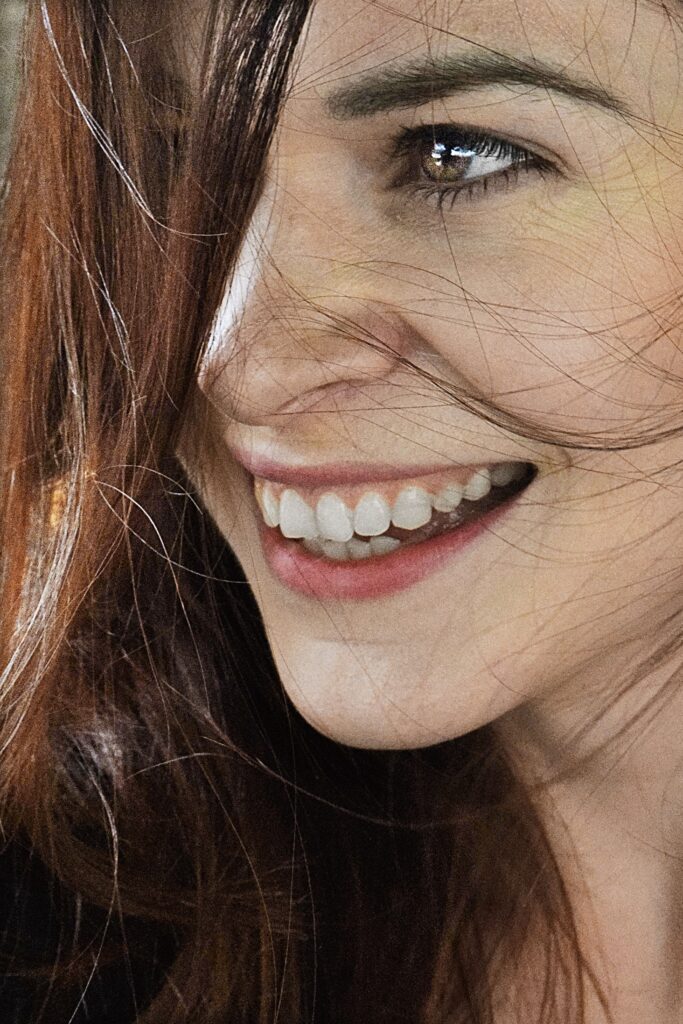
There’s a fine line between a refined smile and one that feels overworked. Veneers, in theory, offer control over shape, colour, and alignment. In practice, that control can become the very thing that makes a result look unnatural.
A thoughtful specialist pays attention to details that are hard to quantify. The way teeth catch light, how they sit against the lips, the slight irregularities that make a smile feel real rather than manufactured. These are not adjustments made by default; they come from experience and a willingness to hold back when needed. Too much symmetry, too much brightness, and the result starts to feel staged.
Planning Work That Starts Long Before Treatment Day
There’s often an assumption that veneers are applied and refined in the chair. The reality is less visible. Much of the work happens beforehand, sometimes in ways patients don’t fully notice at the time
Detailed planning, whether through imaging or physical mock-ups, allows a specialist to test decisions before committing to them. It’s not about perfection on the first pass and more about creating room to adjust. When this stage is rushed or overlooked, even well-made veneers can miss the mark. Alignment issues or shade mismatches rarely come down to faulty materials. They tend to trace back to choices made too quickly.
Protecting Natural Tooth Structure Without Compromise
There’s still a lingering belief that veneers require aggressive reshaping of the teeth underneath. That might have been more common in the past, but it’s no longer the benchmark for good work.
A careful approach looks for ways to achieve the desired result while preserving as much natural tooth as possible. That balance is not always straightforward. Push too far in one direction and the veneers can feel bulky. Go too far in the other and long-term strength may be affected. The margin for error is narrower than it seems, which is why judgement matters as much as technical skill.
Communication That Shapes the Outcome
People rarely walk into a consultation with a complete brief. They might bring photos or describe a look they like, but there’s usually more beneath the surface. Sometimes it’s about confidence, sometimes about correcting something that has bothered them for years.
A good specialist reads between the lines. They ask questions that go beyond shape and shade, and they’re prepared to challenge ideas when needed. Not every request leads to a result that suits the person making it. When communication falls short, that’s when outcomes start to feel disconnected. The work may be technically sound, yet still miss the point.
Thinking About How Veneers Will Age
It’s easy to judge veneers on first impressions. The real test comes later. How they sit with the bite, how the gums respond, whether they hold up under daily use. These are the aspects that don’t show up in before-and-after images.
A specialist who plans for longevity considers more than aesthetics. They look at function, wear patterns, and how small issues might develop over time. Problems like chipping or discomfort are often linked to decisions made early on rather than the veneer itself. A well-executed plan tends to age more gracefully, even if it doesn’t chase a flawless look from the start.
Final Thoughts
Veneers can transform a smile, but they don’t do the thinking for themselves. The outcome reflects the person guiding each step, from the first consultation through to the final polish. Focusing only on materials or cost can miss what actually shapes the result. With dental veneers, the more reliable approach is to look closely at the specialist behind the work. That choice tends to echo long after the treatment is finished.
