
Gold plated jewellery is loved by many people due to its looks and it looks like real gold and still costs less. It is crafted by applying a thin layer over base metal, such as copper, brass or silver. That is what makes the jewellery look just as shiny and rich. But, without having to pay for a solid gold price. For this reason, people prefer to wear gold plated jewellery on a day to day basis and for fashion styling as well as special occasions.
But gold plating is just like a thin coating on the surface, which can wear off. A lot of people do not know whether their jewellery is gold plated over a base metal or just gold colored metal.
In this blog, we learn how to find gold plated jewellery at home which can be useful so that you can make buying decisions intelligently and find the fake jewellery products.
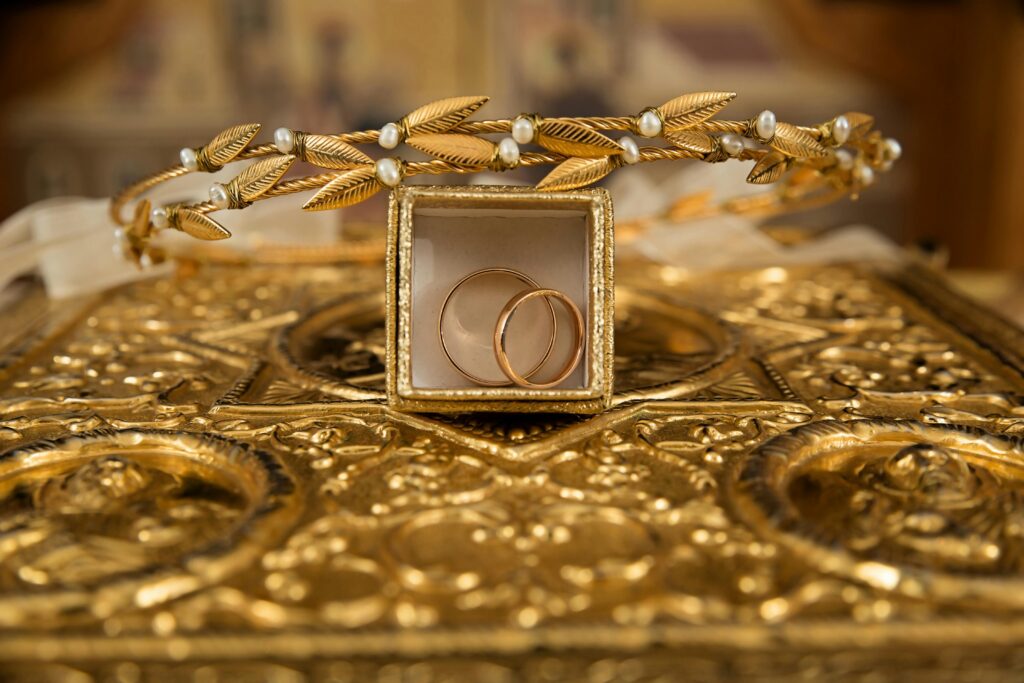
Here are Some Important Things To Check Gold Plated Jewellery
Gold plated jewellery is in great demand in today’s fashion world. It enables people to have trendy designs without spending too much money. You can try out daring trends, statement pieces, and everyday essentials without the worry of losing something pricey.
But the market also has mixed metal jewellery that simply appears to be gold. Some sellers can be vague about what they’re selling. You can save yourself from being overcharged and take better care of your jewellery if you know how to test gold plated jewellery. Knowing whether a piece is gold plated allows you to determine how often to wear it, how to clean it, and how long your jewellery will last.
How to Identify Gold Plated Items
There are several easy methods of determining if you have gold plated jewellery without any rare and costly tools. Try these simple techniques yourself at home, no expert knowledge required.
Examine the Hallmarks
One of the first things you can do is carefully examine the jewellery for markings. These are called hallmarks. Gold plated jewellery might have stamps like “GP,” “GEP,” or “RGP” (which denote gold plated). Solid gold is typically marked with 18K, 22K, or 750. If you notice gold plated indications, that’s a good sign the jewellery isn’t made of solid gold.
Colour & Shine Test
Gold plated jewellery is usually shiny and bright when new. Real gold has a muted, warmer glow, not a bright, flashy one. If the color is too yellow or overly glossy, it might be gold plated. In the same way, gold plated jewellery can sometimes be uneven in color in hidden spots, such as the back of a pendant or inside a ring.
The Skin Test
Try wearing the jewellery for a few hours, then examine your skin. If you see green, black, or blue markings, the jewellery has likely been oxidized and is gold plated over a base metal. Skin does not react with pure gold. This test isn’t always perfect, but it can provide a helpful hint.
Check for Signs of Wear
Gold plating fades over time, especially if it rubs against skin or clothing. Inspect the edges, clasps, and inner bands of rings. If another metal color appears underneath, for example, silver or copper — the jewellery is gold plated. Solid gold doesn’t change color since it doesn’t oxidize.
Conduct a Magnet Test
Gold is not magnetic. Bring a magnet close to your jewellery. If the item sticks, it probably contains other metals and is gold plated or gold colored. Note that not all non gold metals are magnetic, so this test should be used with others.
Utilize a Scratch Test
Lightly scratch a hidden spot on the jewellery with a pin or your fingernail. If you see a different tone of metal underneath, it’s gold plated. Take care not to damage the piece.
Seek Professional Evaluation
If you’re unsure, ask a jeweller. Professionals have the right tools and know how to determine whether jewellery is gold plated or solid gold. This is ideal for pieces that look valuable or have sentimental value.
Vinegar Test
Add a drop of white vinegar to the jewellery and let it sit for a couple of minutes. If the jewellery tarnishes, discolours, or reacts, it’s probably not solid gold. Real gold doesn’t react to vinegar. Rinse the jewellery with water afterward.
Ceramic Test
Gently rub the jewellery across an unglazed ceramic surface, such as the back of a tile. If it leaves a black mark, it’s likely gold plated or fake. A faint gold streak usually indicates real gold. Be gentle to avoid scratches.
The Fire Test
This test should be done carefully. Hold the jewellery with tongs and expose it briefly to a flame. Pure gold doesn’t discolor or burn. Gold plated jewellery could darken or show damage. This test isn’t recommended for delicate pieces.
How to Prevent Fake Gold and Mixed Metals
To avoid buying mixed or fake metal gold jewellery, always buy from trusted sellers. Ask questions and request markings or invoices. Check product details carefully when shopping online. Avoid deals that seem too good to be true, as real gold plating still has value.
If you’re looking for jewellery for everyday wear, gold plated items may not last long. They’re better suited for occasional use. To make gold plated jewellery last longer, avoid water, perfume, and chemicals, and store pieces properly.
Final Thoughts
Gold plated jewellery is beautiful, fashionable, and affordable. Knowing how to identify it helps you make better choices and avoid disappointment. With above simple tests, checking hallmarks, watching for wear, and performing basic home checks, you can identify whether your jewellery is gold plated or real gold jewellery. With the right knowledge of jewellery blogs, you can enjoy your jewellery while keeping your money safe and your style shining.
