
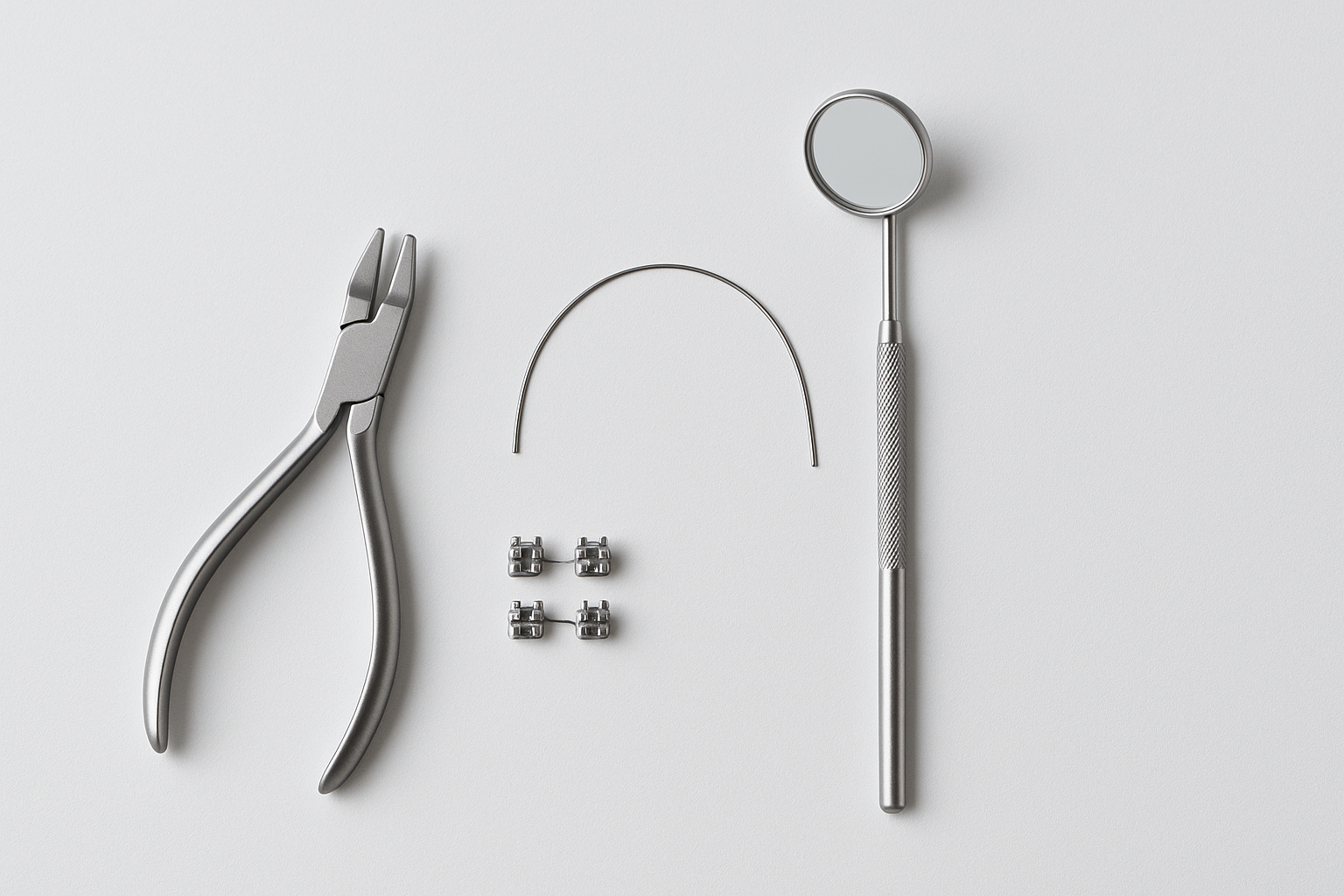
Parents often wonder when to begin their child’s dental care journey. Recognizing early signs of dental issues can significantly impact long-term oral health. This guide provides practical insights into identifying and addressing children’s orthodontic needs.
Ensuring that your child maintains excellent dental health from a young age is crucial for their overall well-being. Addressing dental issues promptly can pave the way for a lifetime of healthy smiles and prevent more complicated problems later on. An important aspect of this is understanding when early orthodontic intervention might be necessary, allowing you to take proactive steps in safeguarding your child’s oral health. This article explores key signs that may indicate the need for orthodontic care and discusses strategies to make the process a positive experience for your family.
Signs your child may need orthodontic care
Recognizing potential dental issues in children early can lead to more effective solutions. Some common signs that may indicate the need for orthodontic attention include misaligned teeth, difficulty chewing, or frequent mouth breathing. Observing these signs at home requires paying close attention to how your child speaks, eats, and even smiles. Regularly checking their teeth alignment and bite can help you spot potential concerns early.
Misaligned teeth are one of the most noticeable indicators of possible orthodontic needs. If you notice that your child’s teeth are crooked or crowded, it might be time to consult a professional. Difficulty chewing or biting could also suggest underlying alignment issues that require evaluation. Mouth breathing is another sign that might indicate jaw or bite problems needing attention.
Parents play a crucial role in identifying these signs by being attentive to their child’s oral habits and appearance. Encourage open communication with your child about any discomfort they may feel while eating or speaking. Regular dental check-ups are essential as they provide an opportunity for professionals to detect issues that might not be visible at home.
Benefits of addressing dental problems early
Addressing dental issues at an early stage offers numerous benefits, including preventing the development of more severe complications. Early interventions can lead to improved oral health by correcting misalignments before they worsen and ensuring proper jaw development. Additionally, it supports better speech and chewing functions, contributing to overall health improvements.
A confident smile is one of the most significant advantages of early care. Children who receive timely orthodontic treatment often develop higher self-esteem as they are less conscious about their appearance. Addressing these concerns early can also reduce the need for more invasive procedures in the future, saving both time and costs.
Furthermore, early interventions can enhance long-term outcomes by setting a strong foundation for adult dental health. By correcting issues such as overcrowding or crossbites when children are young, you minimize the risk of chronic problems like tooth decay and gum disease later in life.
Creating a positive environment for dental visits
To foster a positive experience during dental visits, parents should focus on creating a supportive environment for their child. Choosing a child-friendly orthodontist who understands young patients’ unique needs is essential. This choice ensures your child feels comfortable and at ease during appointments.
Preparing your child for what to expect during visits can help alleviate anxiety. Explain the importance of each procedure in simple terms they understand, emphasizing the benefits rather than potential discomforts. Allowing them to ask questions and voice concerns helps build trust with their orthodontist.
Your involvement doesn’t end at choosing the right professional; being present during appointments provides reassurance and support. Engaging positively with staff and maintaining a calm demeanor can also influence how your child perceives these visits.
Incorporating fun into family dental care routines
Integrating dental care into daily family life doesn’t have to be tedious; making it enjoyable encourages consistent participation from children. Establishing routines where brushing and flossing become family activities can create a sense of unity while instilling good habits.
Consider using educational games or apps designed to make learning about oral hygiene fun and engaging. Reward systems for maintaining good practices like regular brushing can motivate younger children to take responsibility for their dental health enthusiastically.
By weaving educational elements into everyday routines, parents can ensure that their children view dental care as a positive part of life rather than a chore. Encouraging curiosity about oral health topics also empowers them with knowledge that will benefit them throughout their lives.
