
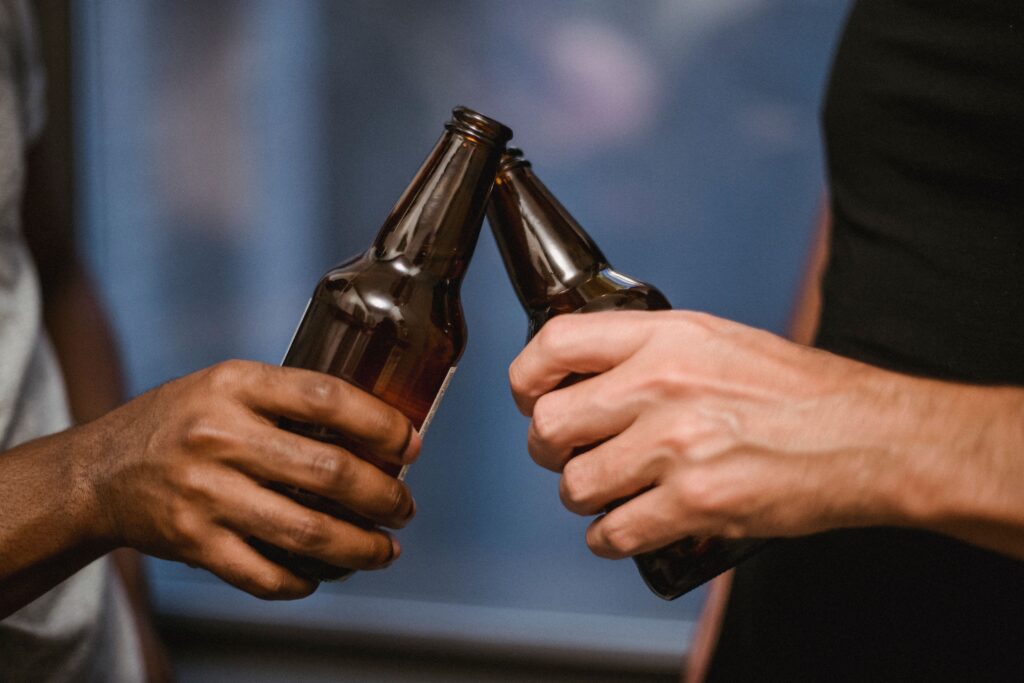
We’ve all been there: you’re rummaging through the back of your refrigerator and stumble upon a lone can of an IPA from last summer or a stray stout from the holidays. A question immediately springs to mind: Does beer go bad in the fridge?
While we tend to think of beer as a resilient, shelf-stable beverage, it is actually a perishable product. There is a fine line between a beer that is safe to drink and a beer that actually tastes good.
In this complete guide, we will break down the science of beer freshness, how long different styles last in the fridge, and how you can maximize your brew’s shelf life.
Does Beer Go Bad in the Fridge?
No, beer doesn’t usually become unsafe to drink if refrigerated properly. Because of its alcohol content, low pH, and the antibacterial properties of hops, harmful pathogens cannot survive in beer. However, over time, beer will absolutely lose its flavor, aroma, and carbonation. Refrigeration significantly slows down this aging process, but it cannot stop it entirely.
Can Beer Expire?
It is important to understand the difference between a “best by” date and an expiration date. Milk expires; beer merely gets old.
- Shelf Life: This refers to the window of time during which the beer tastes exactly how the brewer intended.
- Drinkability: This is about safety. A beer that is two years old might taste like wet cardboard, but it won’t make you physically sick.
How Long Does Beer Last in the Fridge?
Unopened Beer
When kept consistently cold in the fridge, unopened beer can last anywhere from a few months to a few years past its bottling date, heavily depending on the style. Refrigeration acts like a pause button on the chemical reactions that cause beer to stale, extending its peak freshness window by leaps and bounds compared to room-temperature storage.
Opened Beer
Once you crack open a beer, the clock ticks incredibly fast. An opened beer will only stay fresh for a few hours to a day at most. Exposure to oxygen rapidly destroys the delicate hop aromas, while the carbonation quickly escapes into the air, leaving you with a flat, lifeless beverage.
Beer Shelf Life at a Glance
| Beer Type | Refrigerated Shelf Life (Peak Freshness) |
| IPA / Pale Ale | 2–3 months (Drink as fresh as possible) |
| Pilsner / Lager | 4–6 months |
| Wheat Beer | 4–6 months |
| Stout / Porter | 6–12 months |
| Craft Beer (General) | 3–6 months (Unless high-ABV/sour) |
| Mass-Produced Lager | 6–12 months |
Does Beer Go Bad If It’s Refrigerated for Months?
Yes, changes will occur. Even in the cold dark of your refrigerator, microscopic processes are at play.
What Happens During Long-Term Storage
- Flavor Oxidation: Tiny amounts of oxygen trapped inside the container during packaging will slowly bind with the liquid. This chemical reaction gradually dulls the crispness of the beer.
- Aroma Degradation: Volatile aromatic compounds—especially those vibrant, fruity, and piney notes from hops—are the first things to fade.
- Malt and Bitterness Changes: The bright, snappy bitterness of hops mellows out, and malt profiles can shift from sweet and bready to cloying and heavy.
Which Beers Age Better?
Not all beers are victims of time. Some actually evolve beautifully over months or years. Beers that age well typically include:
- High-Alcohol Beers: Imperial stouts, barleywines, and Belgian quads (usually 9% ABV or higher).
- Barrel-Aged Beers: Beers that have already spent time absorbing wood and spirit flavors.
- Sour Beers: Wild ales and lambics containing live cultures that slowly shift the flavor profile over time.
Signs Your Beer Has Gone Bad
Before you take a big gulp of an old brew, look for these telltale signs that it’s past its prime.
Changes in Appearance
- Unexpected Cloudiness: If a normally crystal-clear pilsner looks muddy or hazy, it may have undergone protein breakdown or bacterial spoilage.
- Sediment: A fine layer of yeast at the bottom of a bottle-conditioned craft beer is completely normal. However, large, chunky flakes floating around in a mass-market lager are a bad sign.
Changes in Smell
- Skunky Odor: Caused by light exposure (more on this below).
- Cardboard or Stale Aromas: The definitive smell of heavy oxidation.
- Sour Smells: If a standard stout smells like vinegar or green apples, wild bacteria have likely compromised the batch.
Changes in Taste
- Flat Flavor: Complete loss of carbonation and tongue-tingling crispness.
- Oxidized Taste: Tastes dull, sweet, or reminiscent of wet paper.
- Metallic or Off-Flavors: Copper, pennies, or butter-like flavors indicate a flawed or overly degraded beer.
Can Beer Make You Sick?
Is Expired Beer Safe to Drink?
As mentioned, expired beer is safe. Alcohol, carbon dioxide, and hops create an incredibly hostile environment for food-borne pathogens like E. coli or Salmonella. When a beer goes “bad,” it simply becomes highly unpleasant, stale, and unpalatable—not dangerous.
When You Should Throw It Away
You should dump the beer immediately if you notice:
- Damaged Cans or Bottles: Bulging cans, rusty caps, or cracked glass can introduce outside contaminants.
- Signs of Mold: Check around the rim of the bottle or can before drinking.
- Improper Storage Conditions: If the beer spent months baking in a hot car trunk, it’s not worth saving.
How to Store Beer Properly
To ensure every sip tastes exactly as the brewmaster intended, follow these four golden rules of beer storage.
1. Keep It Refrigerated
The ideal refrigerator temperature for beer storage is 35–40°F (2–4°C). Keeping it at this temperature preserves volatile hop compounds and stops premature staling.
2. Store Beer Upright
Always store your bottles and cans standing up.
Why? Upright storage ensures that only a minimal surface area of the beer is exposed to the pocket of air (oxygen) at the top of the container. It also keeps any natural yeast sediment resting harmlessly at the bottom of the bottle rather than coating the sides.
3. Avoid Light Exposure
UV light reacts with hop compounds to create a chemical structure identical to a skunk’s spray—this is literally called “skunking.”
- Cans & Brown Bottles: Offer the best protection against UV rays.
- Green & Clear Bottles: Allow light right through, which is why transparent bottles skunk within minutes of being in the sun.
4. Minimize Temperature Fluctuations
Keep your beer at a consistent temperature. Rapidly bouncing between extreme cold and room temperature can accelerate the breakdown of flavors.
Does Refrigerating Beer Then Warming It Ruin It?
This is one of the biggest myths in the beer world!
One-Time Temperature Changes
If you buy a cold six-pack, take it home, let it sit on your counter for a few days, and then put it back in the fridge, it will be perfectly fine. A single cycle of cooling and warming does not ruin beer, provided it wasn’t exposed to extreme heat or direct sunlight.
Repeated Temperature Cycling
What does ruin beer is repeated cycling. Moving beer from the fridge to a hot garage, back to the fridge, and back to a warm room multiple times will rapidly accelerate oxidation, leaving you with stale beer much faster than normal.
Common Beer Storage Mistakes
- Storing your beer on a sunny windowsill or outdoor patio table.
- Leaving a case of beer to bake in a hot garage over the summer.
- Cracking open a tallboy, drinking half, and leaving it open in the fridge until tomorrow.
- Accidentally freezing beer (which destroys the carbonation and can cause the container to explode).
- Ignoring the “born on” or “best by” date on delicate, hop-forward beers like IPAs.
Here is the added section tailored specifically for commercial refrigerators. You can seamlessly insert this right after the “How to Store Beer Properly” section or integrate it into your existing guide.
Storing Beer in a Commercial Refrigerator
If you run a bar, restaurant, or bottle shop, or if you’ve invested in a commercial beverage refrigerator for your home setup, storing beer involves a few unique variables. Commercial refrigerators are powerful tools, but because they are opened frequently and operate under high-intensity conditions, they require specific attention.
The Impact of High Foot Traffic
Unlike a home fridge that opens a few times a day, a commercial refrigerator door might be opened dozens of times an hour. This constant opening causes frequent temperature fluctuations and lets ambient humidity inside.
- The Fix: Ensure your commercial unit has a rapid temperature recovery system. Group high-turnover beers (like your bestselling domestic lagers) near the front, and place delicate, long-term craft beers further back where temperatures remain more stable.
Glass Doors and “Skunking” Risks
Many commercial display refrigerators feature glass doors so customers can see the inventory. While great for marketing, this exposes your beer to constant interior and exterior light.
- The Fix: If your cooler has glass doors, ensure you are utilizing the lighting correctly. Swap out standard fluorescent bulbs for LED lights that do not emit harmful UV rays. Additionally, try to keep beers packaged in clear or green bottles deeper in the cooler or hidden behind cardboard display dividers to block light exposure.
Air Circulation and Fan Placement
Commercial coolers rely on powerful internal fans to circulate cold air evenly. However, storing beer directly in the path of the blast chiller vent can sometimes drop the temperature too low, occasionally freezing the first few cans or bottles in line.
- The Fix: Never stack beer cases or kegs directly against the cooling vents. Leave at least a few inches of clearance around the walls and fans to allow the air to circulate efficiently without creating accidental freezing zones.
Frequently Asked Questions
How long does unopened beer last in the fridge? Depending on the style, unopened beer will taste fresh for 3 to 12 months in the fridge. Mass-market lagers and heavy stouts last the longest, while IPAs should be consumed quickly.
Can you drink beer that’s a year past its best-by date? Yes, it is entirely safe to drink, but it will likely taste flat, sweet, or like cardboard. If it’s a high-ABV, barrel-aged stout, it might actually taste quite good!
Does canned beer last longer than bottled beer? Generally, yes. Cans provide a 100% barrier against light (preventing skunking) and form a tighter seal against oxygen than bottle caps.
Does craft beer expire faster than mass-produced beer? Yes. Craft beers are often unpasteurized and heavily hopped, meaning their delicate flavors fade much faster than highly stable, pasteurized macro-lagers.
Can beer go bad if it’s always refrigerated? Yes. Refrigeration slows aging significantly, but oxidation still happens slowly over time. Even in a fridge, a standard IPA will lose its magic after 6 months.
How can you tell if beer is no longer good? Smell it and take a small sip. If it smells like a wet cardboard box, skunk, or vinegar, or if it tastes completely flat, it is past its prime.
Is flat beer safe to drink? Yes, flat beer is safe to drink, though the texture and flavor expression will be highly unappealing.
Conclusion
While beer doesn’t spoil in a way that will make you sick, time is ultimately the enemy of flavor. Keeping your beer consistently refrigerated, standing upright, and shielded from harsh light is your best defense against stale brews.
For the ultimate tasting experience, drink your hoppy IPAs and crisp lagers as fresh as possible, and save the long-term fridge space for those heavy stouts and complex sours!
