
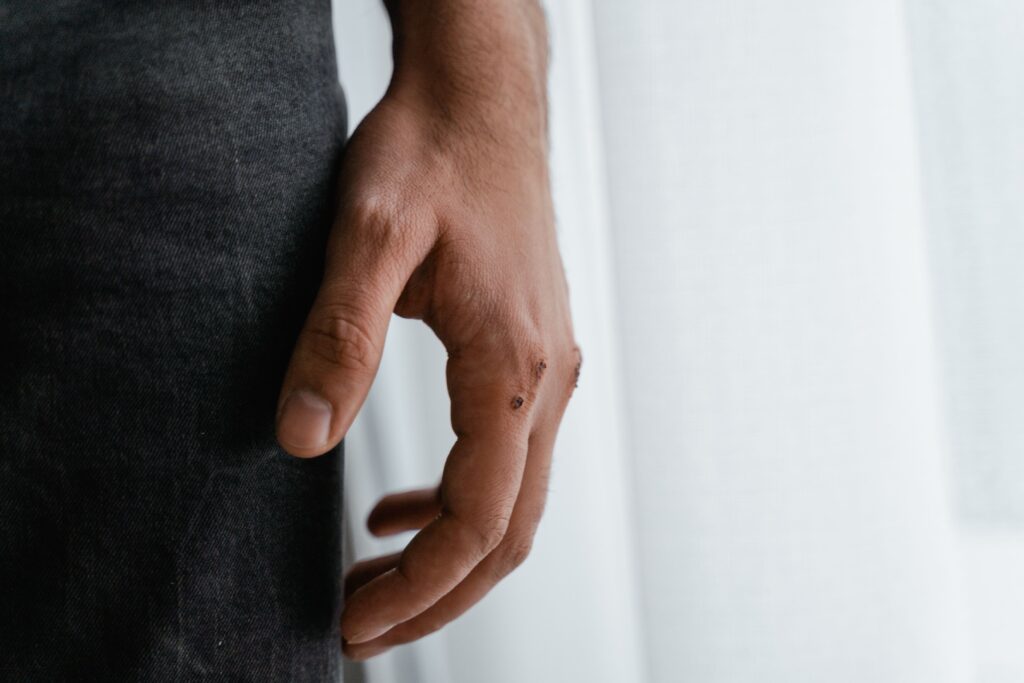
Seed warts have a way of showing up out of nowhere. One day everything is fine, and the next you notice a small, rough bump on your finger, foot, or knuckle. At first, you try the usual home remedies. A drugstore patch. Some apple cider vinegar. Maybe duct tape. And for a while, it feels like the wart is fading. Then it comes back. Sometimes bigger. Sometimes joined by more. For patients across New England, this frustrating cycle is one of the most common reasons they finally decide to see a dermatologist.
The good news is that once you understand why seed warts are so stubborn, and what dermatologists actually do differently, the path to clear skin becomes a lot more reassuring. Here is what you need to know.
Why Seed Warts Are So Persistent
Seed warts are caused by the human papillomavirus, or HPV, which affects the top layer of the skin. What makes them stubborn is that the virus embeds itself deeply into the skin’s structure, often reaching the small blood vessels underneath. Those tiny black dots people describe as “seeds” are actually clotted capillaries feeding the wart.
Home remedies can chip away at the surface, but they rarely reach deep enough to fully clear the virus. That is why so many people find themselves stuck in a loop of temporary improvement followed by frustrating returns.
The Common Home Remedies People Try First
Before seeing a dermatologist, most people cycle through a familiar list of DIY options. These treatments can help mild warts sometimes, but they rarely finish the job for stubborn ones. Common home remedies include:
● Over-the-counter salicylic acid products
● Freezing kits from the drugstore
● Apple cider vinegar soaks
● Duct tape or occlusive coverings
● Essential oils like tea tree
● Regular filing or exfoliation
● Herbal or natural topical solutions
Some of these can shrink the wart temporarily, but the virus often lingers in the deeper layers, which is why the wart keeps coming back.
Why Dermatologists Get Results That Home Treatments Cannot
Dermatologists approach seed warts with tools, precision, and treatments the average person simply cannot access. Their goal is not just to remove the surface bump but to break the wart’s connection to the skin and target the virus itself. That combination is what leads to true, long-term clearance.
They can also diagnose the wart accurately, which matters more than most people realize. A skin lesion that looks like a wart is not always a wart. Getting a proper diagnosis prevents unnecessary treatment and identifies other issues early.
The Most Effective Professional Treatments
Depending on the wart’s size, location, and how long it has been present, a dermatologist may choose from several highly effective treatments. Common professional options include:
● Cryotherapy using medical-grade liquid nitrogen
● Prescription-strength topical solutions
● Cantharidin blistering treatments
● Electrosurgery for deeper or clustered warts
● Laser therapy for stubborn or recurrent warts
● Immunotherapy for patients with widespread warts
Each option is chosen based on the individual case, which is exactly why professional treatment succeeds where home remedies fall short.
Why Cryotherapy Is a Dermatology Favorite
Cryotherapy is one of the most commonly used treatments because it delivers precise, controlled freezing right at the base of the wart. This kills the affected tissue quickly and allows healthy skin to regrow underneath. Most patients need a few sessions, spaced a couple of weeks apart, for full clearance.
Professional cryotherapy is significantly more effective than the freezing kits sold at drugstores because dermatologists use much colder temperatures and can target the wart with far more accuracy.
Where Expert Care Makes All the Difference
When home remedies stop working, the fastest path to clearance is a visit with an experienced dermatology team. If you are located in New England, exploring options for treating seed warts in New England is one of the smartest steps you can take toward a lasting solution. Working with an experienced dermatology practice ensures that the treatment plan is tailored to your specific wart type, skin sensitivity, and lifestyle.
APDerm is one of the trusted names in dermatology across the region, known for its patient-first approach, expert clinicians, and comprehensive treatment options for stubborn skin conditions. Their focus on personalized care makes them a strong ally for patients tired of trying to manage warts on their own.
Why Recurrent Warts Deserve Professional Attention
If a wart has returned multiple times, it is a strong sign that home treatments are not enough. Recurring warts often mean the virus has embedded itself more deeply or that new warts are forming nearby. A dermatologist can not only remove the visible wart but also assess for hidden growth and recommend a plan that reduces the risk of future outbreaks.
Early intervention often shortens the treatment timeline significantly, which is why professional care is worth pursuing sooner rather than later.
Recovery and Aftercare Are Key
Once a professional treatment is complete, aftercare plays a big role in preventing recurrence. Dermatologists typically recommend keeping the area clean, avoiding picking at healing skin, and applying protective measures to reduce viral spread. Because the virus that causes warts can survive on hard surfaces, small habits like wearing sandals in public showers can prevent new warts from developing.
Patients who stay consistent with aftercare tend to enjoy longer-lasting results.
Conclusion
Stubborn seed warts can be frustrating, but they are highly treatable when the right care team gets involved. Dermatologists use tools, treatments, and expertise that reach far beyond what home remedies can offer, giving patients a real chance at long-term clearance. If you have been stuck in a cycle of temporary fixes and returning warts, a consultation with an experienced dermatologist is often the fastest and most reassuring step you can take. Clear skin is closer than you think, and professional care makes the entire journey feel far more manageable.
