
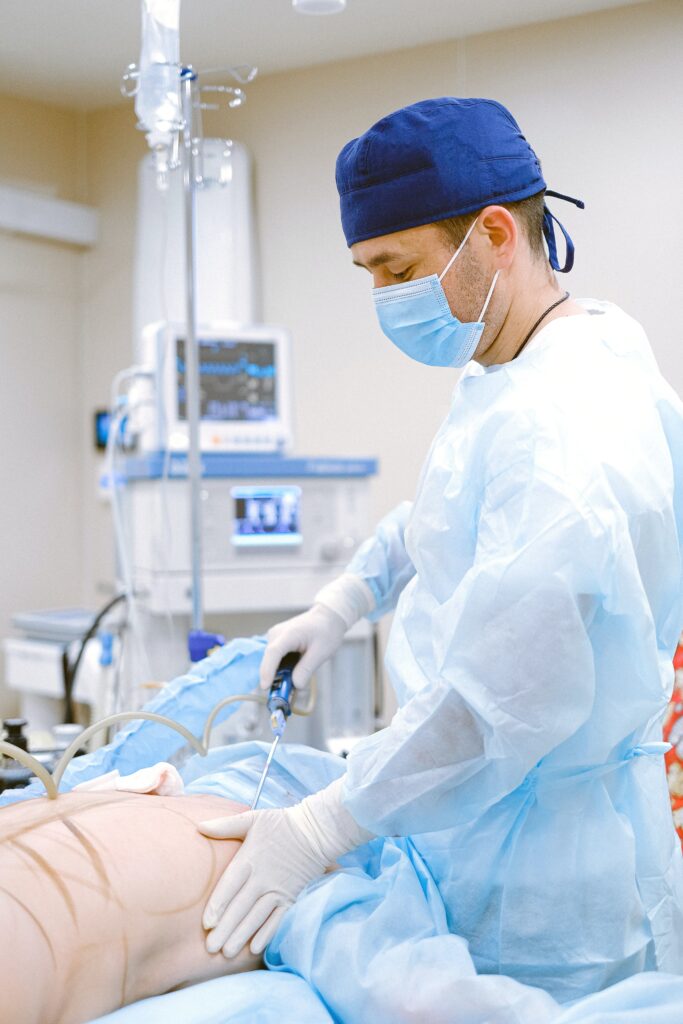
Nobody really plans for recovery. We plan the consultation, the surgery date, even the outfit we want to wear once it is all behind us. The week in between somehow gets treated as though it will sort itself out. It will not, and that first week is where most of the stress tends to come from.
If you are booking in Sacramento, a few local details are worth building into your plan. Summers here are properly hot, and heat combined with a compression garment is a genuinely miserable pairing, so timing your procedure for a cooler stretch is worth considering. It is also worth thinking about the drive home and avoiding the afternoon traffic. Small things, but they are exactly what separates a calm week from a miserable one.
Why the First Week Deserves a Proper Plan
Liposuction is often described as straightforward, and in many ways it is. Most patients feel well enough for desk work within two to three days. But straightforward does not mean effortless, and recovery goes far more smoothly when the decisions have already been made rather than improvised while you are sore and tired.
It also helps to know you are not doing anything unusual. TheAmerican Society of Plastic Surgeons reports that liposuction remained the most popular cosmetic surgery procedure in its 2025 statistics. Plenty of people have already lived through the exact week you are about to plan.
What to Sort Out Before Your Surgery Date
The kindest thing you can do for the future is prepare the house while you still feel completely fine. A week or so ahead, get these out of the way:
• Meals cooked and frozen, or a plan to order in, because cooking will not appeal
• A ride home, plus someone staying with you for the first twenty four hours
• Loose clothing that buttons at the front and does not need pulling over your head
• Old towels and dark sheets, since incision sites can leak a little fluid at first
• Prescriptions collected in advance rather than picked up on the way home
If you have small children, arrange proper help for at least the first three days. You will not be lifting anyone, and trying to is the quickest way to undo careful work.
Days One and Two, When Resting Is the Whole Job
Expect to feel sore, swollen and a bit wrung out from the anesthesia. Most people describe the sensation as a deep muscle ache, similar to the day after a very hard workout, rather than sharp pain.
Your compression garment stays on almost constantly. It feels strange for the first few hours and then becomes oddly reassuring. Drink more water than feels necessary, and get up to walk around the house for a few minutes every hour even when you would rather not, because gentle movement helps circulation and keeps swelling down. Then lie back down. That really is the entire plan for two days.
Days Three to Five, Easing Back Into Ordinary Life
This is usually when the fog lifts. Many people return to desk work around day three and manage light activity at home without much trouble. You will still be swollen and quite possibly bruised, and both tend to look worse before they look better, which catches people off guard if nobody has warned them.
Keep your expectations sensible, though. Surgeons performing liposuction in Sacramento generally ask patients to avoid strenuous activity for one to two weeks, and to skip heavy lifting entirely until they say otherwise. At Silicon Valley Institute for Aesthetics, these limits are determined on a case-by-case basis, since the areas being treated can make a difference. Walking is encouraged, but anything that leaves you out of breath should be avoided.
Days Six and Seven, Starting to Feel Like Yourself Again
By the end of the first week the tightness has usually eased and the initial swelling has started to settle. You are not finished. Final results develop over several months as swelling gradually resolves, so try not to judge anything yet.
Take a photo at the end of week one even if you hate how you look. Swelling changes so slowly that progress is almost impossible to notice day to day, and having a reference point makes the following weeks far less discouraging.
What Is Normal and What Deserves a Phone Call
Swelling, bruising, numbness across the treated areas, and a little fluid drainage are all expected. Some things are not routine, and those are worth flagging quickly rather than waiting to see. Call your surgeon if you notice:
• A fever, or increasing redness and warmth around an incision
• Pain that gets worse rather than better after day three
• Swelling or pain in one leg or calf
• Shortness of breath
• Drainage that thickens or develops an odor
No good practice will mind you ringing to ask. They would far rather hear from you on day four than on day ten.
Conclusion
If you have children at home, be honest about the help you actually need rather than the help you wish you needed. Three days of proper support is worth considerably more than a week of struggling through alone and setting yourself back in the process.
It also helps enormously to know exactly who to call. Any good practice will send you home with written instructions covering your garment, medication and activity limits. Read them the day before surgery rather than while you are groggy afterward, then stick them somewhere you will actually see them.
The first week is short. Plan it properly and it passes much faster than you expect.
