
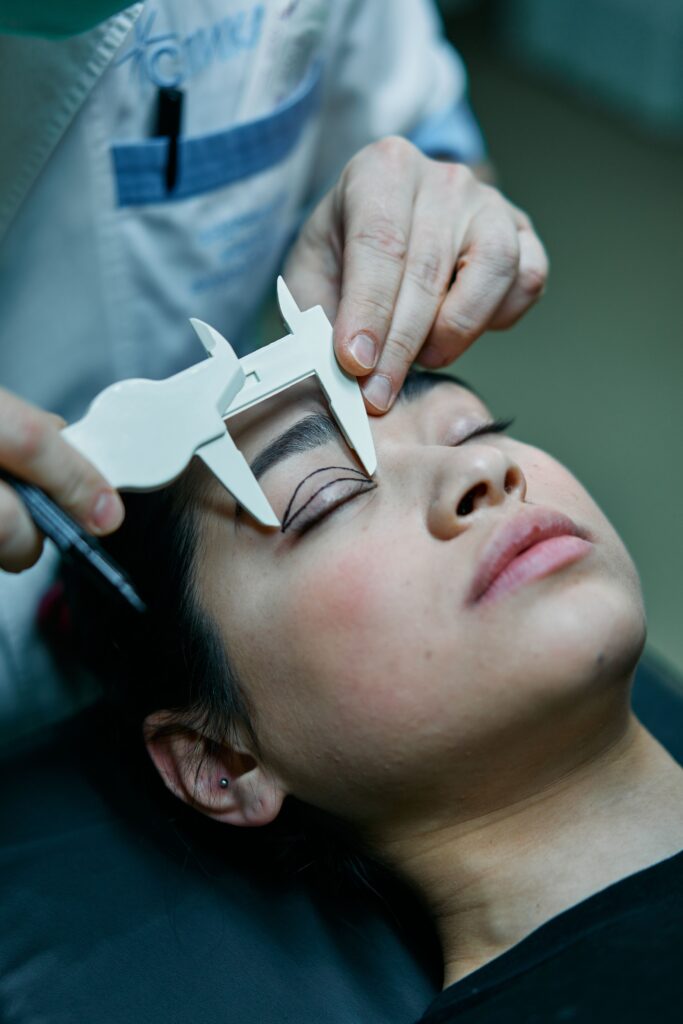
Walking into my first facial plastic surgery consultation, I thought I was prepared. I had spent weeks researching procedures, reading reviews, and saving before-and-after photos on my phone. What I had not done was prepare for the actual conversation that happens in that room, the one that determines whether you leave feeling genuinely informed or just sold to.
In Scottsdale, where world-class facial plastic surgeons are genuinely accessible, many women go into that first appointment the same way I did: full of research, short on the right questions. I am sharing what I wish someone had told me, because the consultation matters even more than most people realize.
The Most Common Concern Patients Have Going In
You are not the only one who finds the pre-consultation phase overwhelming. According to the AAFPRS 2024 Annual Member Survey, 30% of facial plastic surgeons say finding the right surgeon is one of their patients’ top concerns, alongside cost and recovery time. That is a significant portion of patients arriving at their first appointment still unsure whether they are even in the right room.
Knowing this helped me understand that the uncertainty I felt was not a sign I was not ready. It was the normal starting point. What changes the experience is going in with better questions, clearer priorities, and a more realistic sense of what the consultation is actually designed to do.
The Consultation Is an Interview, Not a Sales Appointment
The single biggest shift in my thinking came when I stopped treating the facial plastic surgery consultation as a presentation I was supposed to receive and started treating it as an interview I was supposed to conduct. A good surgeon wants to hear your concerns in your own words, not your list of procedures. They want to understand what is bothering you, why it bothers you, and what outcome would feel meaningful. A consultation that starts with a question rather than a brochure is a good sign.
If the surgeon jumps straight to pricing and procedure packages before really listening to you, that is worth noticing. The best consultations I experienced were ones where the surgeon spent more time asking questions rather than answering them, at least in the beginning. That listening is what good surgical planning is built on.
What to Actually Ask at Your Consultation
Women researching facial plastic surgery in Scottsdale often ask me what questions to bring. The most useful ones are also the simplest: What is the one concern on my face you would address first and why? What result is realistic for my specific anatomy? What would you not recommend for me? That last question is especially revealing. A surgeon who clearly articulates what they would advise against is one who is planning for your outcome, not just your appointment.
Starkman Facial Plastic Surgery uses the consultation to assess the full picture of a patient’s facial anatomy, concerns, and lifestyle before discussing procedure options. That patient-first approach creates a very different experience from practices that walk every patient through the same script. The difference shows up in how specific and grounded the recommendations feel.
Why Before-and-After Photos Are Not Enough Research
I went into my first facial plastic surgery consultation with a folder full of saved photos. What I did not understand was that before-and-after images show outcomes, not process. They cannot tell you how a surgeon handles complications, what their revision rate is, how they communicate during recovery, or whether their aesthetic sensibility matches yours across a range of patient types. Those are the things that actually predict your experience and your result.
Looking at before-and-after photos is a reasonable starting point for narrowing your surgeon search. But the consultation is where you discover whether the person behind those photos is someone you can trust with the actual work. Ask to see patients who started with a concern similar to yours, not just the most dramatic transformations in the gallery.
The Recovery Conversation You Need to Have Before You Book
I underestimated the importance of asking about recovery in specific, practical terms. Not just how long it takes, but what it actually looks like day by day, what your face will feel like during the first week, and how long you should plan to take off work. Recovery from facial plastic surgery is not a uniform experience, and a surgeon who can describe it in detail is one who has performed the procedure enough times to know.
Do not leave without a clear picture of what the post-operative period requires from you. For mothers especially, this planning step is often the most critical part of the whole process. Arranging support, managing childcare, and knowing what you cannot do for a specific window of time makes the difference between a recovery that feels manageable and one that feels overwhelming.
Final Thoughts
The facial plastic surgery consultation is not just the beginning of the process. In many ways it is the most important part. The questions you ask, the answers you receive, and the feeling you leave with are all data telling you whether you have found the right person for one of the most personal decisions you will make. Go prepared, go curious, and give yourself permission to walk away and think before committing.
If I could give one piece of advice to anyone about to book their first facial plastic surgery consultation, it would be this: the surgeon who makes you feel heard before you sign anything is usually the one worth trusting with everything that comes after.
