
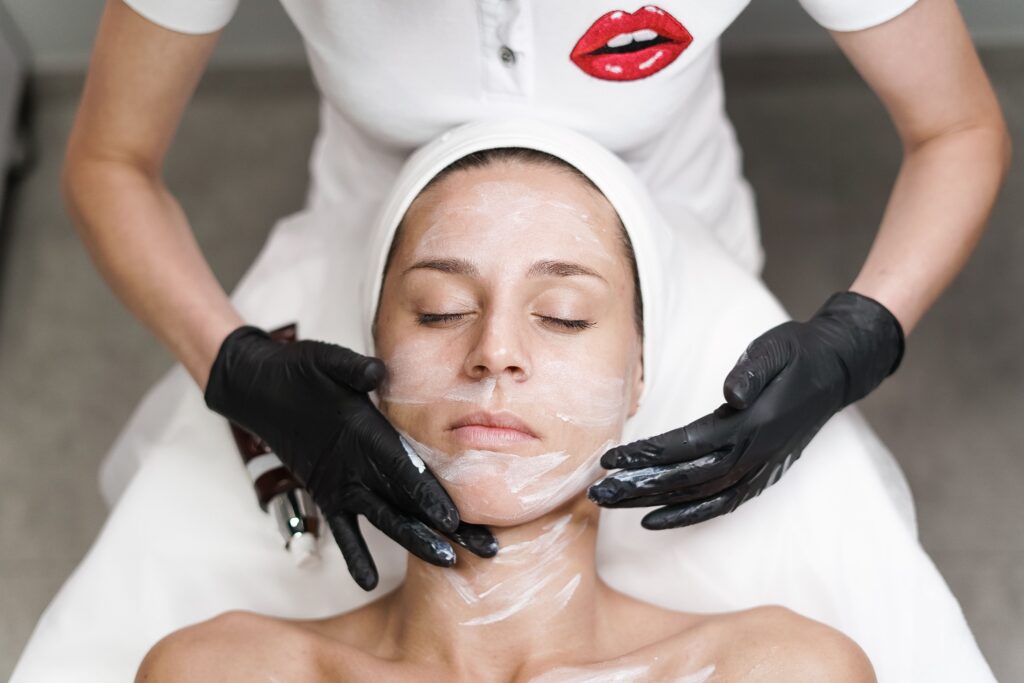
Facial rejuvenation is one of those phrases that sounds specific until you try to pin it down. It turns up on clinic websites, in magazine features and all over social media, usually attached to a photo of someone glowing, and almost never with a plain explanation of what it involves.
It covers a genuinely wide range of things, some taking twenty minutes and some needing a fortnight of hiding at home. Where you live shapes it as well. Somewhere like Denver, where the altitude means stronger UV exposure and the air is famously dry, sun damage and dehydrated skin come up far more often than they do at sea level, so plans there lean heavily on resurfacing. The important thing to understand is that this is not one treatment. It is a whole category.
Why Facial Rejuvenation Is Such a Confusing Term
The phrase covers everything from a gentle peel to a surgical facelift, which is precisely why it tells you so little on its own. Two people can both say they are having facial rejuvenation and mean completely different things, with completely different costs and recovery times.
Interest in this area is climbing, too. The American Society of Plastic Surgeons reported that facial procedures took center stage in 2025, with facial fat grafting posting the largest increase of any procedure at 39 percent. People are clearly not just chasing tighter skin anymore.
The Three Changes Facial Rejuvenation Actually Addresses
Almost every treatment in this category exists to improve one of three things:
• Skin quality, meaning texture, fine lines, pigment and accumulated sun damage
• Volume, meaning the fullness that quietly deflates in the cheeks, temples and around the mouth
• Laxity, meaning skin and deeper tissue that has loosened and drifted downward
Most people past forty have some of all three in different proportions. Working out which one bothers you most is genuinely the most useful thing you can do before spending any money, because a treatment aimed at the wrong problem will feel like a waste no matter how good it is.
Treatments That Improve Skin Quality
This is the largest group and usually where people begin. Laser resurfacing tackles texture, fine lines and sun damage by removing the outer layer so fresh skin replaces it. Lighter versions need a few days of looking flushed, deeper ones need closer to a fortnight.
Alongside that sit chemical peels, which target pigment and tone, and microneedling, which stimulates collagen with very little downtime. Light-based treatments such as IPL work well on the brown patches and broken capillaries left behind by years of sun. None of these change the shape of your face. They change its surface, which is a different job entirely.
Treatments That Restore Lost Volume
Faces do not simply sag as they age. They deflate. The fat pads sitting under the skin shrink and shift, which is why cheeks flatten and the area around the eyes starts to look hollow rather than merely lined. Restoring that fullness is often what makes someone look rested rather than merely smooth.
This is also where the phrase gets used most loosely, because filler and fat behave very differently over time. Providers offering facial rejuvenation in Denver often combine volume work with resurfacing rather than treating either on its own, and surgeons such as Dr. Diane Duncan have long argued that replacing lost fullness matters just as much as smoothing the surface. Filling a hollow cheek without addressing the crepey skin above it rarely looks right.
Treatments That Tighten and Lift
When tissue has loosened, resurfacing and filler will only take you so far. Radiofrequency treatments can add real tone to lax skin without any cutting, and radiofrequency microneedling sits in a useful middle ground by improving texture and tightness at the same time.
Beyond that point the honest answer is that surgery does what devices cannot. A mini neck lift or eyelid procedure moves tissue rather than tightening it from outside. A good provider will tell you plainly when you have reached that line instead of selling you a course of treatments that will not deliver.
How to Work Out Which Treatments You Actually Need
Rather than arriving with a treatment name in mind, arrive with a problem. A useful way to prepare:
• Look at an old photo and identify what has genuinely changed, not what you have always disliked
• Decide how much downtime you can realistically take, because that rules options in and out
• Ask what the least invasive option would achieve, and what it would not
• Ask how long results last and what maintenance actually involves
• Ask what happens if you simply wait two years
A consultation should feel like a conversation about your face rather than a walk through a price list. If it feels like the latter, that tells you something worth knowing.
It will not make you look twenty five, and any provider suggesting otherwise deserves suspicion. It also cannot outrun the basics. Daily sunscreen, sleep and not smoking protect your results far more than any single appointment will.
The people who end up happiest tend to be the ones who understood what they were treating and why. That understanding costs nothing, and it is worth having before you book anything at all.
