
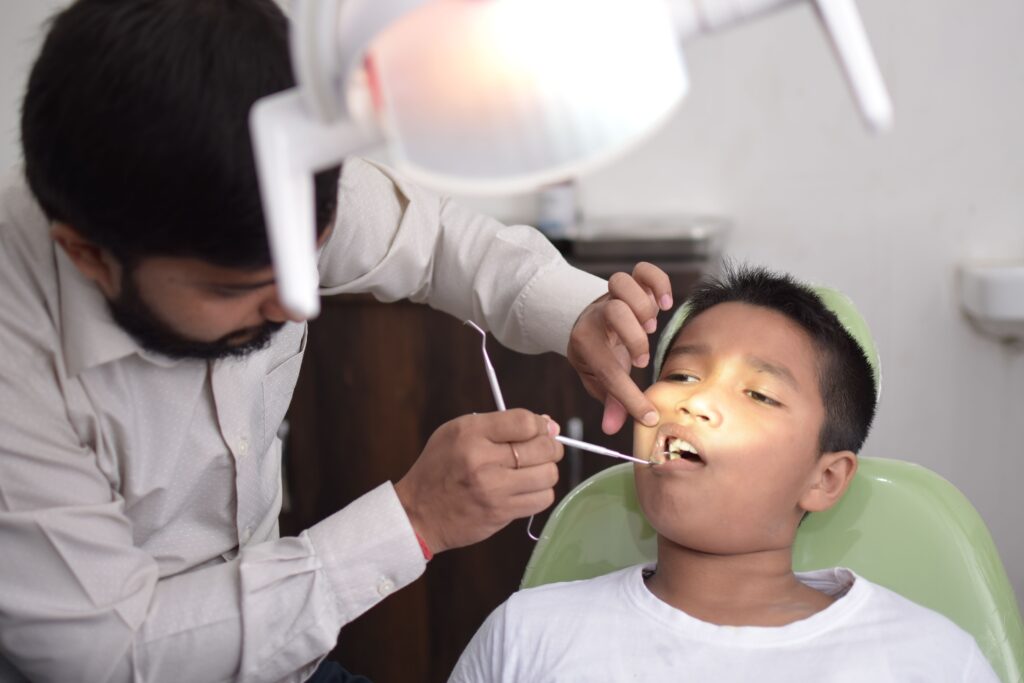
Many parents put off dental care for children until something feels wrong. Early oral health care does more than protect teeth from decay. It supports daily habits, builds comfort around check-ups, and shapes how children view dental care as they grow. Starting early gives children time to adjust, so visits feel normal rather than stressful.
Why Early Dental Care Matters
Baby teeth are often underestimated because they fall out later in childhood. These teeth still play a major role in speech development, chewing, and guiding permanent teeth into place. When a baby tooth is damaged or lost too early, nearby teeth may shift, which can affect spacing and alignment.
Tooth decay in young children can also cause discomfort that affects eating and sleeping. In some cases, untreated issues may lead to infections or affect the development of permanent teeth underneath.
Early dental care allows small concerns to be spotted before they grow into bigger problems. This can include early signs of decay, enamel weakness, or bite concerns that are easier to manage when found early.
Building Comfort Around Dental Visits
A child’s first experiences often shape how they feel about dental care later in life. Regular visits help remove uncertainty and build familiarity with the setting.
Dental practices that focus on a calm and welcoming approach often make a big difference for children who feel nervous. For example, Zental Dental uses a gentle approach that helps children settle during appointments and supports parents who want a more relaxed experience for their child. When visits feel calm from the start, children are more likely to attend regularly without resistance.
Parents can also help at home by talking about dental visits in a simple, positive way. Avoiding negative language around pain or fear can help children feel more relaxed before appointments.
Benefits of Starting Early
Early dental care supports long-term oral health in several ways:
- Lower risk of cavities and tooth decay
- Stronger daily brushing and flossing habits
- Better chance of spotting alignment concerns early
- Greater comfort during dental appointments
- Reduced likelihood of fear or anxiety about dentists
- Improved awareness of healthy food and drink choices
These habits build over time and often carry into teenage and adult years.
How Diet Affects Children’s Teeth
What children eat has a direct effect on their dental health. Frequent sugar intake increases the chance of decay, especially when teeth are not cleaned properly afterward.
Common foods and drinks that affect teeth include:
- Fizzy drinks and fruit juices with added sugar
- Sticky sweets such as gummies or toffees
- Frequent snacking between meals
Healthier choices that support teeth include:
- Water as the main drink
- Cheese, yogurt, and milk
- Crunchy fruits and vegetables like apples and carrots
Encouraging balanced eating habits early helps protect teeth and supports overall health.
Supporting Dental Habits at Home
Parents play a major role in shaping daily oral care routines. Children learn by watching and repeating what they see.
Helpful habits include:
- Brushing twice a day using fluoride toothpaste
- Starting brushing as soon as the first tooth appears
- Supervising brushing until around age 7 or 8
- Making brushing part of a fixed morning and bedtime routine
- Using small rewards or charts for younger children to stay consistent
Even small improvements made early can reduce future dental problems.
First Dental Visit Timing
Children should see a dentist by age one or within six months of the first tooth appearing. Early visits are usually short and focus on checking development rather than treatment.
These early appointments also give parents guidance on brushing, feeding habits, and teething. Over time, children become familiar with the process, which helps reduce discomfort during later visits.
Common Dental Issues in Children
Some of the most common concerns in young children include:
- Tooth decay from frequent sugar exposure
- Thumb sucking that may affect tooth alignment
- Early gum irritation caused by plaque buildup
- Sensitivity linked to enamel wear
When found early, these issues are often easier to manage and may require simpler care.
Final Thoughts
Early dental care gives children a stronger start with oral health. It supports healthy teeth, builds daily routines, and helps children feel comfortable with dental visits as they grow. With steady habits at home and regular check-ups, parents can help reduce future dental problems and support long-term wellbeing.
