
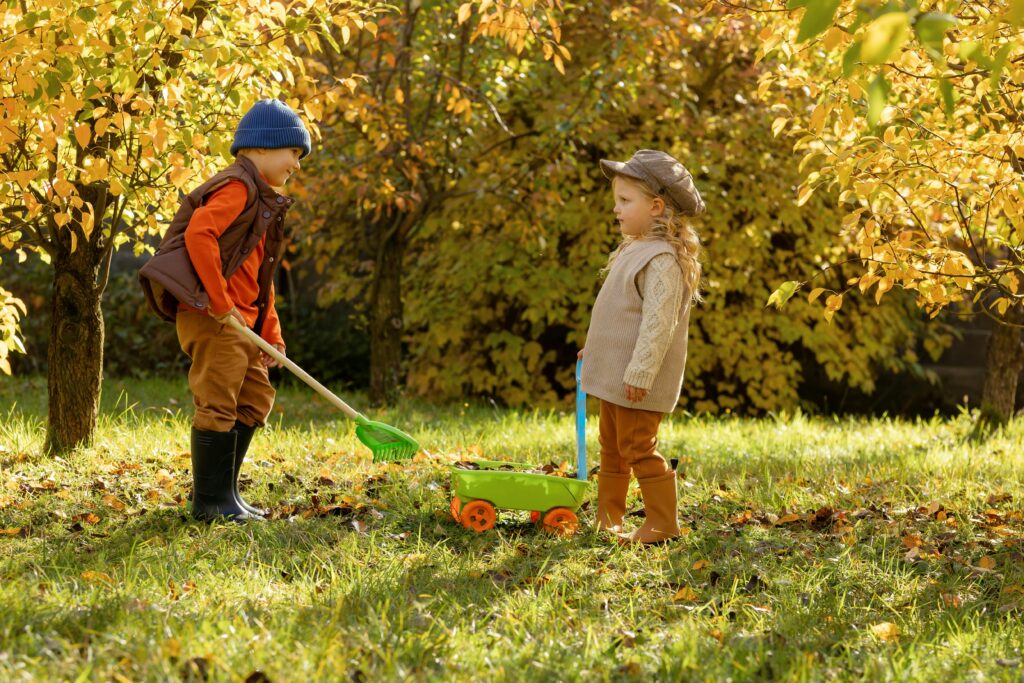
Kids have a lot of energy to burn. Being outside helps them do this. They climb, dig, imagine, run, and yes, they will often come back inside covered in dirt and telling stories. Outdoor play isn’t just a way to burn energy, though – it helps children build strong bodies, grow confidence, and learn how the world works.
A well-designed yard becomes more than just a green space because of this. It is a place where creativity starts, lessons happen naturally, and children feel free to be themselves. With this in mind, if you are designing or updating your yard with children in mind, think less about perfection and more about possibility.
In this post, you will learn three key spaces to include. This will create the most successful kid-friendly yard for your family.
Space to Move
Every child needs room to move their body. This is where the chasing, jumping, rolling, and running happens. A clear, open area of the yard gives kids permission to be active and loud, all without worrying about bumping into garden beds or furniture.
The space doesn’t need fancy equipment. A soft lawn, open turf, or even a flat dirt area will work fine. What matters most is that it feels open and safe. When children have a place to move freely, they build confidence, coordination, and strength without even thinking about it.
You, as the parent, will benefit, too. A designated movement zone helps to contain the chaos. It also keeps high-energy play from spilling into delicate landscaping.
Space to Learn
Outdoor learning looks different from classroom learning – and this is a very good thing. A learning space in the yard invites curiosity. It doesn’t need to be big either. This could just be a small garden bed where kids plant seeds, a patch of grass where bugs are explored, or a table for drawing and building projects.
This space encourages kids to slow down and notice things. There is a lot of learn outside. Patience, by watering plants. Responsibility, by caring for something living. Problem-solving, when things don’t grow the way they expect.
Natural materials should be used to create this space. Think of hardy plants as well as those that offer a sensory experience. But low-maintenance surfaces, like those from providers like Magnolia Turf Co, help keep this area functional without losing its natural and welcoming charm.
Space to Hide
Kids love having a place that feels like their own. A hiding space gives them that sense of imagination and privacy. Of course, it shouldn’t be completely hidden for safety reasons – but it should be separate enough to feel special to your children.
Consider small playhouses, a cluster of shrubs, tall grasses, or even a simple teepee. These are all very suitable. This space is where imaginary worlds are built and quiet moments happen. Such hiding spaces help kids practice their independence and emotional regulation in a safe manner.
To conclude, a yard designed for children doesn’t need to be complicated or expensive. You will create a suitable outdoor environment to support creativity, growth, and joy by following the advice provided in this post.
