
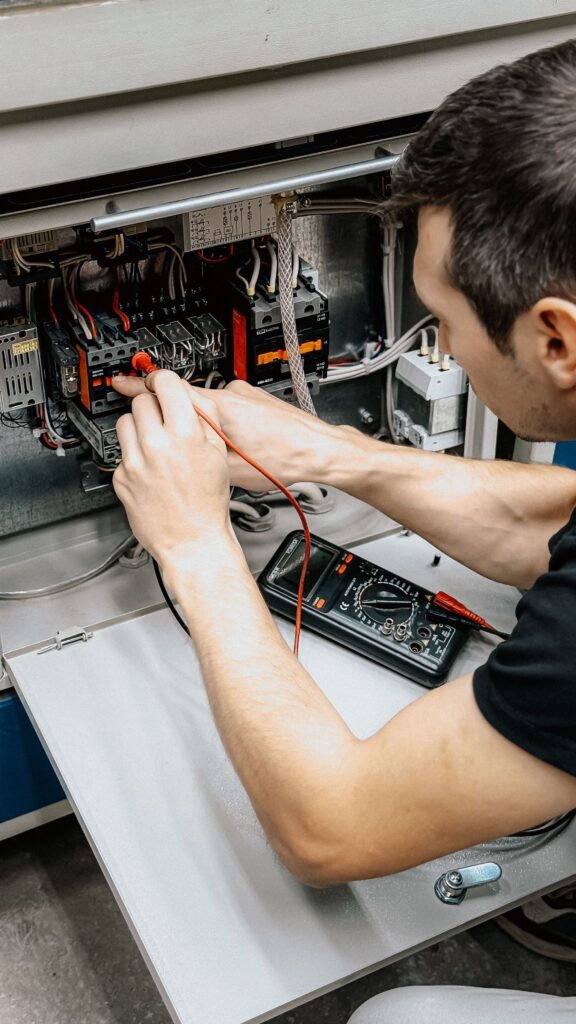
If you own or manage a commercial property, you’ve probably wondered how often you actually need to get your electrical system checked out. It’s not something most people think about until a light starts flickering or a breaker trips for no clear reason. But waiting for a problem to show up isn’t the best strategy. Electrical issues tend to build quietly behind the walls long before they become obvious.
The honest answer is that it depends on your building type, its age, and how it’s used. A general rule many professionals follow is every three to five years for a standard inspection. But if your property is older, sees heavy equipment use, or has had electrical work done recently, you’ll want to check more often. Working with a qualified Electrician Newtown business owners trust can help you figure out the right schedule for your specific space instead of just guessing.
Why Inspection Frequency Varies So Much
Not every commercial building is the same, so it makes sense that inspection needs aren’t either. A small office with basic lighting and a few computers has very different electrical demands than a restaurant kitchen or a manufacturing facility.
Think about what pulls the most power in your space. Kitchens, workshops, and facilities with heavy machinery put more stress on wiring and panels. That stress adds up over time. The more demand you place on a system, the more often it needs eyes on it.
Signs You Shouldn’t Wait For A Scheduled Check
Sometimes your building tells you it needs attention sooner rather than later. You don’t always have to wait for your next scheduled inspection if something feels off.
Watch for these warning signs:
· Lights that flicker or dim without explanation
· Outlets that feel warm to the touch
· A burning smell near panels or outlets
· Breakers that trip more than once in a short period
· Buzzing sounds coming from switches or panels
Any one of these is worth a call, not a wait-and-see approach.
What Local Codes And Insurance Require
Here’s something a lot of property owners miss. Your inspection schedule isn’t always up to you alone. Many municipalities have their own code requirements, and these can dictate how often certain systems need review, especially for older buildings or those undergoing renovations.
Insurance companies also play a role. Some policies require proof of regular inspections to keep coverage valid. Skipping this step could leave you exposed if something goes wrong and a claim gets denied because there’s no documentation showing the system was maintained properly.
It’s worth checking your policy and asking your local building department directly. You don’t want to find out the hard way that you were supposed to be inspecting more frequently.
Building Age Matters More Than You Might Think
Older buildings often have wiring that was never designed for today’s power demands. If your property was built decades ago and hasn’t had a major electrical update, you’re likely due for a closer look, even if nothing seems wrong on the surface.
Newer buildings aren’t completely off the hook either. New construction can still have installation errors or code violations that only show up under an inspector’s trained eye.
Making Inspections Part Of Your Routine
The easiest way to stay ahead of electrical problems is to treat inspections like any other piece of routine maintenance. You already schedule things like HVAC servicing or fire system checks. Electrical inspections deserve the same spot on your calendar.
Set a reminder, keep records of past inspections, and build a relationship with an electrician who knows your property well. That familiarity actually helps. Someone who has seen your system before will catch small changes faster than someone starting from scratch.
At the end of the day, regular inspections protect more than just your equipment. They protect your tenants, your employees, and your bottom line. A small upfront investment in checking your system beats the cost and disruption of an emergency repair every time.
