
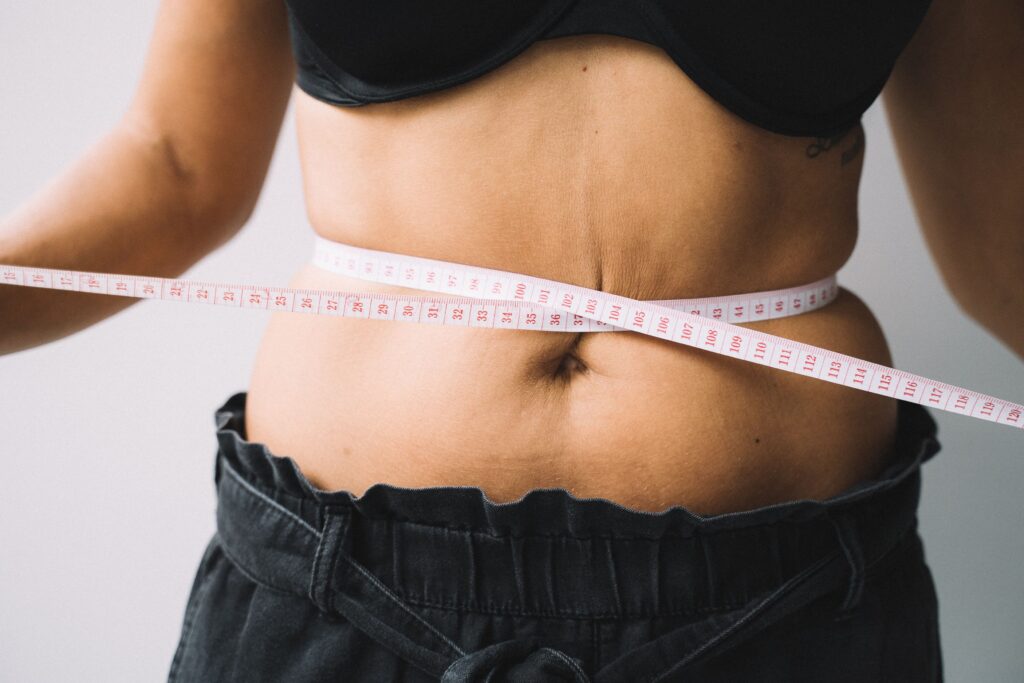
You did it. You lost the weight; the diet, the discipline, and the years of work finally paid off. And then you looked in the mirror and saw something nobody warned you about: loose skin that just… stayed. It doesn’t matter how hard you worked. Skin doesn’t always get the memo. And that gap between how much effort you put in and what you actually see can feel genuinely unfair, especially when no one told you this part was coming.
This experience is far more common than most patients realize. A systematic review published through the NIH’s National Center for Biotechnology Information found that in approximately one third of patients undergoing bariatric surgery, tissue following massive weight loss fails to contract, resulting in loose, hanging excess skin. For patients in Houston navigating this stage, understanding what surgical options address is an important part of planning the next step.
Here are the ways plastic surgery specifically supports patients after major weight loss, each targeting a different area affected by the changes that come with it
Addressing Excess Skin That Doesn’t Retract on Its Own
Body contouring procedures are designed specifically to remove redundant skin and tissue that remains after significant weight loss. Depending on where excess skin has accumulated, this may involve the abdomen, arms, thighs, chest, or multiple areas addressed across staged procedures. In many cases, the excess isn’t limited to one region, which is why a comprehensive evaluation of the entire body is often part of the initial planning process.
Because every patient’s pattern of excess skin differs, treatment planning is highly individualized. A consultation with a board-certified plastic surgeon is the only reliable way to determine which procedures, if any, are appropriate for a specific situation and set of goals. What works well for one patient’s body may not translate to another, even among people who’ve lost a similar amount of weight.
Relieving Physical Discomfort and Skin Irritation
The published research notes that patients with significant excess skin are predisposed to skin infection, rashes, and related complications, particularly where skin folds trap moisture against the body.
● Chronic skin irritation: persistent chafing and rashes in areas where excess skin folds create constant friction
● Recurrent skin infections: moisture trapped between folds creating conditions that repeatedly encourage bacterial or fungal growth
● Discomfort during physical activity: excess skin interfering with movement or causing pain during exercise
● Hygiene challenges: difficulty properly cleaning and drying skin folds, contributing to ongoing irritation
Consultations regarding plastic surgery in Houston frequently focus as much on these functional, medical concerns as on appearance, since chronic irritation can meaningfully affect daily comfort. Post-weight-loss patients working with Basu Aesthetics + Plastic Surgery typically find that both functional issues and aesthetic goals get addressed together, given how often the two overlap in this population.
Supporting Long-Term Mobility and Activity
Research on this patient population notes that excess skin can interfere with mobility and activities of daily living, sometimes limiting exactly the kind of physical activity that supports maintaining weight loss long-term. Simple movements like walking, bending, or climbing stairs can become genuinely more difficult when excess skin restricts range of motion or causes discomfort with each step. Removing that physical barrier can make regular exercise and movement genuinely more comfortable, which in turn supports the very habits that helped patients lose the weight in the first place.
This connection between physical comfort and sustained activity is part of why these procedures are increasingly viewed as a functional component of weight-loss care rather than a purely cosmetic add-on. For many patients, addressing excess skin isn’t the final step after weight loss; it’s what allows the healthier lifestyle behind that weight loss to actually continue long-term.
Restoring Body Contour and Proportion
Beyond removing excess tissue, contouring procedures aim to restore proportion that significant weight loss can disrupt. Patients frequently describe wanting their outward appearance to finally reflect the work they’ve put in, rather than continuing to feel defined by loose skin that obscures the change, a more proportionate silhouette, visible confirmation of the results already achieved, and improved fit and comfort in everyday clothing.
Realistic expectations matter enormously here. Surgery can improve contour meaningfully, but it also involves scarring, recovery time, and results that vary between individuals, all of which deserve honest discussion during a consultation. What looks achievable in a before-and-after photo online may not translate directly to every patient’s anatomy, which is exactly why an in-person evaluation matters more than any general expectation formed in advance.
Choosing the Right Time for Body Contouring Surgery
Timing significantly affects outcomes, and most surgeons emphasize a few key considerations before recommending contouring surgery.
● Wait for weight stability: most surgeons recommend maintaining a stable weight for several months before proceeding, since continued weight fluctuation can affect results
● Address nutritional health first: post-bariatric patients often need documented nutritional stability before surgery is appropriate, given how healing depends on adequate protein and vitamin levels
● Plan for staged procedures: addressing multiple areas typically happens across separate surgeries rather than all at once, allowing safer recovery between each stage
● Confirm readiness with your care team: both the surgeon and any physician managing weight-loss care should agree the timing is right before moving forward
These timing factors should be discussed thoroughly with both a plastic surgeon and, where relevant, the physician managing a patient’s weight-loss care. Rushing into surgery before the body is truly ready often leads to less predictable results and a more complicated recovery.
Conclusion
If you’ve lost significant weight, body contouring might genuinely be the final piece addressing exactly what diet and exercise couldn’t finish, no matter how hard you worked. Research backs this up: for the right candidates, these procedures can meaningfully improve physical comfort and quality of life, though your results and whether you’re a good candidate will depend entirely on your own body and situation. Start with a real consultation with a board-certified plastic surgeon. Ask about the risks. Ask about recovery. Ask what your scars will actually look like and what results you can realistically expect. This is a big decision, and you deserve to make it with real information, not guesswork.
