
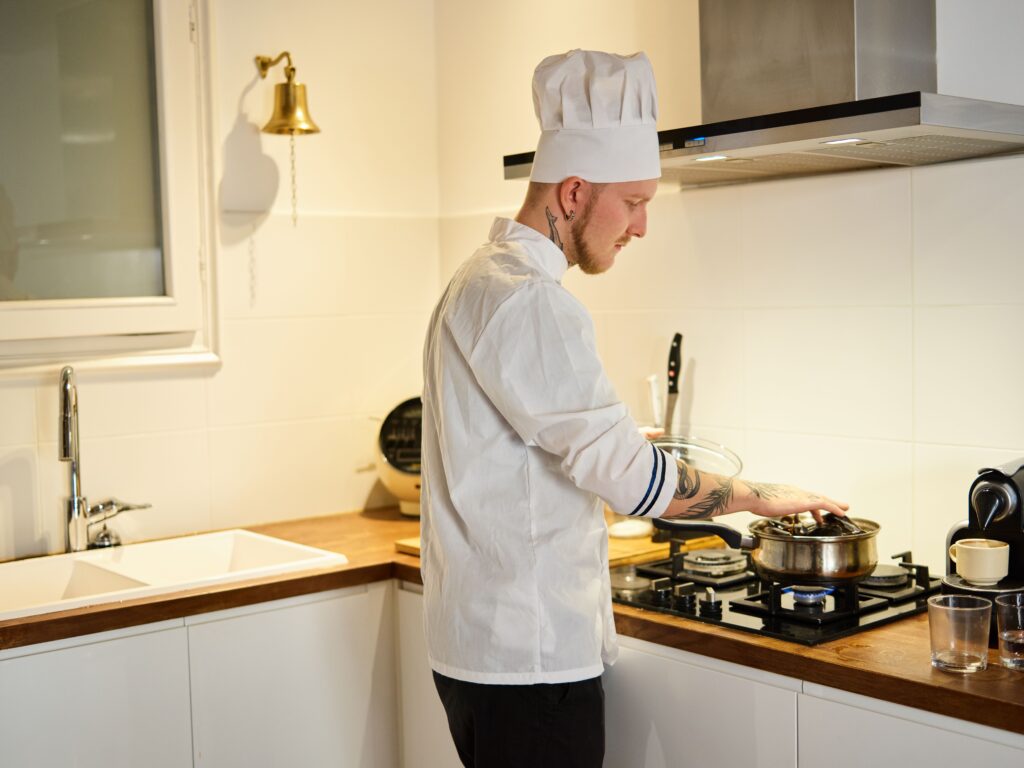
London’s private chef market is one of the most competitive in Europe, and that pressure doesn’t let up. Booking might seem like a simple task, but availability moves fast, especially around high-demand dates on the social calendar. Leave it too late, and you’re either stuck with a less experienced chef or, worse, scrambling with nothing viable left. How far ahead you book a private chef in London isn’t a trivial question. It’s what separates a polished dinner from a stressful one. This piece walks through typical lead times by event type, how peak seasons shift the picture, and what short-notice bookings actually look like in practice.
How Booking Lead Times Work for a Private Chef in London
The honest answer is that https://www.dineindulge.co.uk/ tends to come up early as an option for a personal chef in London when people start researching London events, and for good reason, since top-tier private chef services fill their books fast and the best chefs are rarely free within the same week. For a standard dinner party or an intimate celebration, booking two to four weeks out gives you a decent range of chefs and menus to choose from. Larger gatherings or bespoke multi-course experiences need four to eight weeks, realistically. London’s market behaves differently from the rest of the UK; corporate clients, high-end rental properties, and affluent households all chase the same limited pool of skilled chefs, so availability’s never as open as it looks. Services that combine a personal chef meal prep service with private dining often run on a different schedule, with shorter lead times and recurring weekly slots, but for a one-off event dinner, that buffer of several weeks makes a real difference. Book early and you control the menu, the chef’s style, and how dietary needs get handled. Corporate clients, high-end private events, and those after bespoke tasting menus often turn to https://www.dineindulge.co.uk/ because their London-based chef roster handles last-minute bookings while holding to exacting standards that larger catering operations can’t match.
Christmas, New Year’s Eve, Valentine’s Day, and the summer stretch from June through August are by far the busiest periods for private chefs across London. The festive season starts filling as early as September, and December dates from the 20th onwards are often gone before October’s out. New Year’s Eve is the single hardest date to secure at the last minute. If your date lands inside any of those windows, eight weeks’ notice is the sensible floor, ten to twelve weeks gives you the strongest pick of chef. Bank holidays and long weekends follow a similar pattern, if slightly less extreme. Mother’s Day, Easter Sunday, and Bonfire Night all trigger a spike in private bookings across the city. Fridays and Saturdays carry a natural availability premium year-round too, not just in peak season, because households and rental properties all compete for the same evenings.
What Standard Lead Times Look Like by Event Type
Not every booking needs the same runway. A weekday dinner for four people in March has different availability pressures compared to a Saturday night celebration for twelve in December. As a rough guide:
- Intimate weekday dinners (2 to 6 guests): Two to three weeks’ notice in quieter months; four to six weeks during peak periods.
- Weekend dinner parties (6 to 12 guests): Four to six weeks in standard months; six to ten weeks from October through January.
- Special occasions and important events: Six to eight weeks minimum, regardless of the time of year, to allow for menu planning and any special requests.
- Large gatherings or custom menus (12 or more guests): Eight weeks or more, as the chef needs additional prep and sourcing time.
These are not rigid rules, but they reflect what most London private chef services find workable. Chefs who build custom menus around your preferences, dietary needs, and the occasion itself need that lead time to do the job properly.
What Happens With Short-Notice Bookings
Short notice in this context means anything under two weeks. It’s entirely possible to book a private chef in London at short notice, and many services accommodate it, but the trade-offs are real and worth understanding before you decide.
The Practical Trade-Offs of Late Bookings
Chef availability drops sharply inside the two-week mark. The most experienced and highly rated chefs fill their diaries first, so a last-minute search tends to produce either a less established option or a noticeably narrower menu. Seasonal ingredients that need advance sourcing may simply not be on the table, and complex multi-course menus get harder to execute well without adequate prep time. That said, simpler events can work on short notice. Dinner for two or a casual supper for a small group doesn’t carry the same logistical weight as a twelve-person tasting menu. Some services hold back a handful of spots each week specifically for short-notice requests, so it’s always worth asking directly. What you need to accept is that flexibility on both the menu and, to a degree, the chef becomes non-negotiable. Arriving with a fixed vision and a two-day window makes a short-notice booking significantly harder to pull off.
When Flexibility Changes the Outcome
Flexibility is the single biggest factor in whether a short-notice London booking actually lands well. A Thursday instead of a Saturday, a set menu rather than a fully custom one, or a slightly different cuisine style, any of these opens up your options considerably. Many services can confirm a booking within forty-eight to seventy-two hours under those conditions. The chef’s profile matters too. Someone who works exclusively in one cuisine may not be free, but a chef with a broader repertoire is far easier to place quickly. The most successful last-minute bookings tend to come from clients who brief clearly and trust the chef’s judgement on the menu. The opposite, a rigid brief and a two-day window, rarely delivers the experience either side was hoping for. So if speed’s what you need, lead with the date and the guest count, and let the menu build from there.
Conclusion
Booking a private chef in London pays off when you move early. Two to four weeks covers most events and gives you a solid range of options, but peak season dates and larger gatherings need considerably more runway, often six to twelve weeks. Short-notice bookings can work, but they depend on flexibility around both the menu and the chef. If you’re planning a private chef London experience and want it to feel genuinely considered and well-executed, the advice is simple: don’t leave it to the last minute.
