
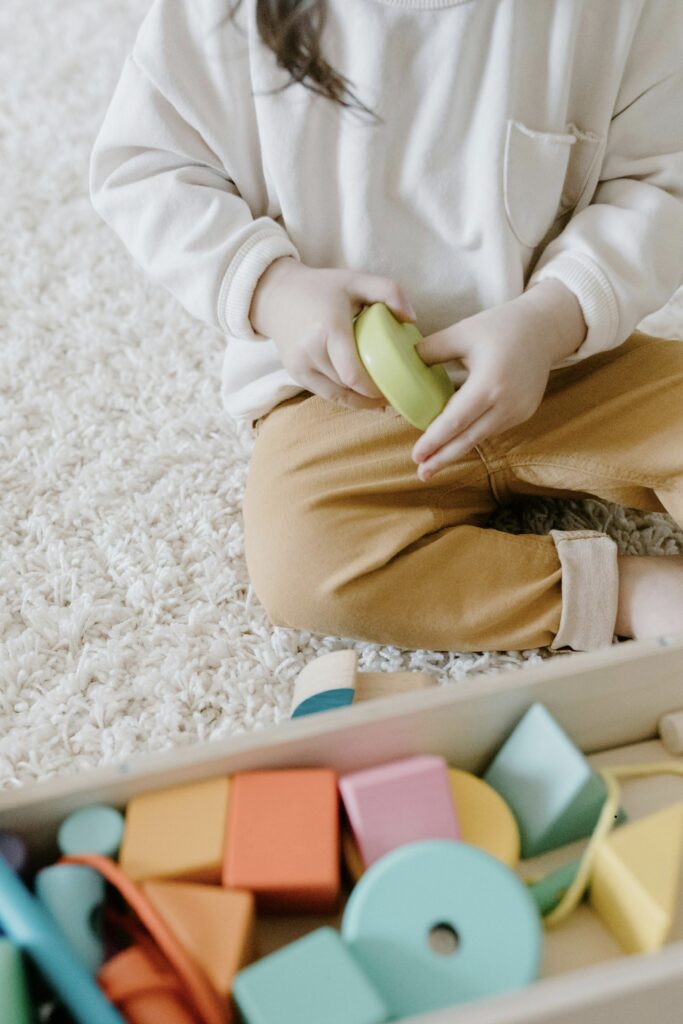
When winter sets in and outdoor play becomes limited, children naturally spend more time inside the home. This shift brings the quality of indoor spaces into sharper focus for parents across the UK. The flooring beneath little feet becomes particularly important, not just for comfort, but for warmth, safety, and creating inviting play areas during long indoor months.
House carpets offer more than visual appeal when children play indoors. They provide insulation against cold floors, create softer surfaces for everyday play, and reduce noise levels, which helps maintain a calmer home environment. With suitable carpet choices, families can turn colder rooms into comfortable spaces where children can play, rest, and spend time together.
Finding the right balance between durability and comfort matters when updating home flooring with children in mind. Budget plays a role, but practical carpet choices can support warmer rooms, quieter spaces, and better day-to-day use during months spent mostly indoors.
Why carpet matters for indoor play spaces
The type of flooring in a home influences how safe and comfortable indoor play can be. Carpeted surfaces provide a softer landing than hard floors, which may help reduce the impact of minor falls. Parents should check for loose edges or worn areas and address them promptly to prevent trips.
Using carpets with quality underlay improves shock absorption and helps keep play areas comfortable during colder months. Carpet also offers clear temperature benefits, especially in UK homes during winter.
Carpet acts as an insulator, keeping floors warmer than hard surfaces that can feel cold underfoot. In children’s rooms and shared play areas, carpet creates a noticeably warmer feel and improves comfort on cold days.
Noise reduction is another benefit for family homes. Carpet absorbs sound rather than reflecting it, helping reduce noise from active play. For families carpeting multiple rooms or an entire home, best carpet deals near me can make full-house carpeting a practical option for improving warmth, safety, and comfort across shared living spaces.
Choosing child-friendly carpet materials
Carpet material affects durability, ease of cleaning, and suitability for family living. Nylon is known for strength and stain resistance, making it suitable for high-traffic play areas. Polyester offers softness and a wide range of colours at a lower cost, though it may show wear sooner in busy homes.
Polypropylene provides good stain resistance and affordability, while wool offers natural comfort but requires more careful maintenance. Wool can absorb spills quickly if not treated promptly, so regular vacuuming and fast response to accidents help reduce wear.
Pile height also affects play. Low-pile carpets work well for toy cars, blocks, and crawling, providing a stable surface without trapping small items.
Safety certifications to look for
When choosing carpets for homes with children, safety standards matter. In the UK, carpets should meet BS 5287 flammability standards and BS EN 14041 requirements for residential flooring, which cover basic safety and performance criteria.
Low VOC certifications help limit exposure to airborne chemicals, supporting healthier indoor air quality for children who spend long periods playing on the floor. Flame-retardant ratings are also important, as domestic carpets must meet ignitability and fire-spread requirements under UK furniture and furnishings fire safety regulations, reducing risks in everyday family environments.
Practical carpet layouts for family homes
Using different carpet colours or textures can help define play zones in open-plan spaces without physical barriers. This approach supports organisation while allowing children to understand boundaries between play, rest, and shared living areas. The same principles apply when planning children’s bedroom design, where flooring, layout, and zoning all contribute to safer and more functional spaces.
Smooth transitions between carpeted and hard-floor areas reduce trip risks, especially for toddlers. Carpet trim bars and gradual height changes help children move safely between rooms while keeping flooring changes visually subtle.
Carpet tiles offer flexibility in playrooms and bedrooms. Individual tiles can be replaced if damaged by spills or stains, making them suitable for spaces that see frequent activity without requiring full carpet replacement.
Maintenance routines for busy parents
Simple care routines help keep play spaces clean and comfortable without adding extra pressure to daily schedules. Weekly vacuuming with a HEPA-filter vacuum reduces dust and allergens that build up during indoor play, including house dust mites commonly found in carpeted family spaces.
Promptly treating spills helps prevent staining and lingering odours. Using child-safe cleaning products supports safer maintenance, especially in rooms where children sit, crawl, or play on the floor.
For sticky spills, allowing residue to harden before gentle removal protects carpet fibres and reduces surface damage. Consistent light maintenance helps carpets remain hygienic and comfortable over time, even in busy family homes.
Budget-friendly carpet solutions for growing families
Carpet costs vary by material, with synthetic options often more affordable than wool blends. For family homes, durability and lifespan matter as much as upfront cost. Synthetic carpets such as nylon and polypropylene balance wear resistance with practicality.
Whole-house carpet packages simplify updates and create a consistent look across rooms. Uniform flooring can also make cleaning routines easier and improve overall comfort.
Many modern carpets include stain-resistant fibres or surface treatments that help manage everyday spills when addressed quickly.
Warm flooring supports how children use indoor space during winter months. Soft surfaces encourage floor-based play, reduce exposure to cold, and make shared rooms feel more inviting throughout the day.
Carpets also help stabilise room temperature, particularly in homes with solid or uncovered floors. By limiting heat loss from below, carpeted rooms often feel warmer without relying on higher heating temperature settings.
For parents managing busy households, practical flooring choices reduce everyday challenges. Quieter rooms, safer play surfaces, and improved warmth all contribute to a calmer indoor environment during periods of extended indoor play.
When children spend more time indoors, flooring choices shape daily comfort in subtle but important ways. Warm, quiet, and cushioned surfaces support safer play, reduce exposure to cold, and help shared spaces feel calmer and more inviting. With thoughtful carpet updates, family homes can stay comfortable, practical, and welcoming throughout the winter months.
