
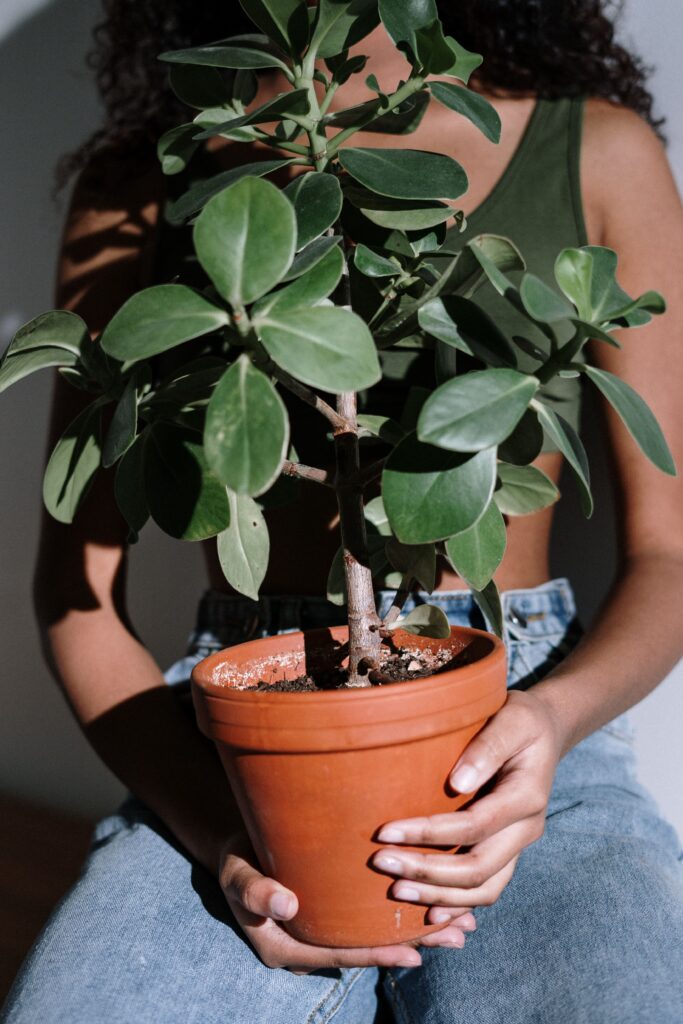
Bringing plants into your home is one of the easiest ways to create a fresh, welcoming, and relaxing environment. While many people assume that houseplants require plenty of sunshine, numerous varieties can flourish even in rooms with limited natural light. Choosing the right low light indoor plants allows you to enjoy vibrant greenery in apartments, offices, bedrooms, and other shaded areas without worrying about constant exposure to sunlight.
These plants are known for their adaptability and easy maintenance, making them ideal for both beginners and experienced plant lovers. With proper care, they can remain healthy and attractive while enhancing the overall appearance of your indoor spaces.
What Are Low Light Indoor Plants?
Low light indoor plants are species that can grow successfully in areas with indirect or reduced natural light. Although all plants need some light for photosynthesis, many tropical varieties have naturally adapted to environments where sunlight is filtered through larger trees. This makes them well suited for homes and offices that do not receive bright sunlight throughout the day.
These plants are often chosen for hallways, bathrooms, living rooms, bedrooms, and workspaces where lighting conditions are less than ideal.
Why Choose Low Light Indoor Plants?
There are many reasons why homeowners and office workers prefer low light indoor plants for their interiors.
One of the main advantages is their ability to thrive in locations where other plants may struggle. They generally require less maintenance, making them perfect for people with busy schedules or those who are new to indoor gardening.
In addition to their practicality, these plants add color, texture, and natural beauty to any room. They complement a wide variety of decorating styles and can transform empty corners into attractive focal points.
Popular Low Light Indoor Plants
Several plant varieties are well known for their ability to grow successfully in low-light environments.
Snake Plant
The Snake Plant is one of the most durable houseplants available. Its tall, upright leaves create a modern appearance, while its ability to tolerate infrequent watering and limited light makes it an excellent choice for beginners.
ZZ Plant
The ZZ Plant is appreciated for its glossy foliage and exceptional resilience. It grows well in low-light areas and requires minimal attention, making it ideal for homes and offices.
Pothos
Pothos is a versatile trailing plant that performs well in indirect light. It can be placed on shelves, displayed in hanging baskets, or allowed to climb decorative supports, adding greenery to almost any space.
Peace Lily
Peace Lilies are admired for their graceful white flowers and lush green leaves. They adapt well to indoor conditions and bring elegance to rooms with filtered or moderate light.
Chinese Evergreen
The Chinese Evergreen is valued for its colorful foliage and easy-care nature. It grows comfortably in shaded environments and is a popular choice for anyone seeking an attractive, low-maintenance plant.
How to Care for Low Light Indoor Plants
Although these plants are generally easy to maintain, a few basic care practices will help them stay healthy.
Water Wisely
Too much water is one of the most common causes of problems with indoor plants. Since soil dries more slowly in low-light conditions, it is important to allow the surface of the soil to become slightly dry before watering again.
Provide Indirect Light
While these plants tolerate low-light environments, they still benefit from gentle, indirect sunlight. Avoid placing them in strong afternoon sun, which may damage their leaves.
Maintain Comfortable Humidity
Many low-light houseplants originate from tropical regions where humidity levels are naturally higher. Occasional misting or placing plants together can help create a more suitable environment.
Keep the Leaves Clean
Dust can collect on plant leaves over time, reducing their ability to absorb available light. Gently wiping the leaves with a soft, damp cloth helps maintain their appearance and supports healthy growth.
Best Places to Display Low Light Indoor Plants
One of the greatest benefits of low light indoor plants is their flexibility. They can be placed in a variety of indoor locations where brighter plants may not perform well.
Excellent locations include bedrooms, home offices, hallways, bathrooms with natural light, entryways, apartments with shaded windows, and living rooms that receive indirect sunlight. These plants help fill empty spaces with greenery while creating a warm and inviting atmosphere.
Common Mistakes to Avoid
Even the easiest indoor plants can struggle if their basic needs are overlooked.
Common mistakes include watering too often, using containers without drainage holes, assuming that low light means complete darkness, ignoring yellow or damaged leaves, and placing plants too close to heating or cooling vents. Paying attention to these details will improve plant health and longevity.
Benefits Beyond Decoration
Indoor plants provide more than just visual appeal. They introduce a sense of nature into everyday living spaces and can make rooms feel more comfortable and welcoming. Many people enjoy caring for plants because it encourages relaxation and creates a rewarding daily routine.
Plants also add depth and texture to interior design, making homes feel more vibrant without requiring major decorating changes.
Choosing the Right Plant for Your Lifestyle
Selecting the right plant depends on your schedule, available space, and personal preferences. If you have limited time for plant care, durable varieties such as Snake Plants and ZZ Plants are excellent options. Those who enjoy spending more time maintaining their plants may appreciate species like Peace Lilies or Pothos, which reward regular care with healthy growth.
Choosing decorative pots with proper drainage and placing plants in consistent lighting conditions will also contribute to their long-term success.
Conclusion
Adding low light indoor plants to your home is a simple and effective way to enhance your living environment without requiring bright sunlight. Their adaptability, attractive appearance, and easy maintenance make them suitable for almost any indoor space.
By selecting the right varieties and following basic care guidelines, you can enjoy healthy, beautiful plants throughout the year. Whether you are decorating a compact apartment, upgrading your office, or refreshing your home, low-light plants offer an effortless way to bring lasting greene
